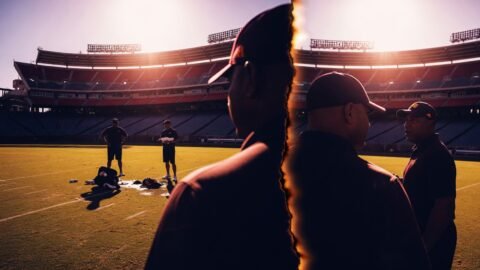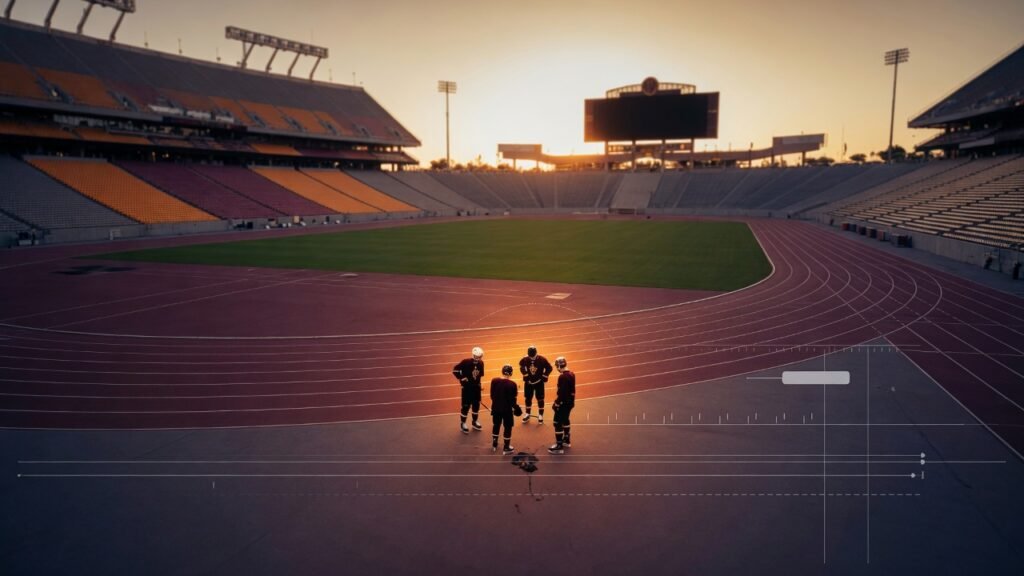
Matthew Mayich arrived at Arizona State as a 21-year-old Blues draft pick with a real professional path. On August 20, the first morning NCAA rules allowed formal hockey activities, he collapsed during an outdoor team workout at the Joe Selleh Track facility in Tempe and has not left the hospital since.
The Professional Hockey Players’ Association did not soften the point. Its statement put it in plain language: “That young man, on the cusp of his career in professional hockey, was failed by the system, the system that should have protected him.” Executive Director Brian Ramsay went further. “Athletes should never have to choose between their health and their careers. Period.” I keep coming back to that sentence because it names the actual mechanism, not the weather.
Mayich was a sixth-round selection, 170th overall in 2023. He put up 15 points in 34 games as a freshman at Clarkson, led the class in ice time at nearly 20 minutes a night, then transferred into what ASU billed as a top portal class. The workout that morning was requested by head coach Greg Powers and run in part by Tim Ziesel, a former Green Beret who had worked with the program before. Sources briefed on the session described roughly 50 to 60 minutes of cadence-style work—sprints, push-ups, flutter kicks, teammate carries, medicine-ball runs—with coaches, assistants, and training staff present. Tempe Fire Medical Rescue arrived around 8:30 a.m. for a heat-related emergency. Morning temperatures sat in the upper 80s. Family attorney Robert Carey has said Mayich suffered exertional heat stroke that starved the brain of oxygen and now has “zero chance for recovery.”
The Silence Tax Is Built Into the Roster Math
Carey’s clearest warning was not medical. It was cultural. “These kids are scared,” he said. “The ones that are still there, they’re scared. They think they might lose their scholarships. They think the program might crumble. They might not get playing time if they cross the coach.” That is the operating system. College hockey runs on finite scholarships, finite ice time, and a transfer portal that never sleeps. A player who raises a hand about exhaustion or heat risk is making a calculation that can cost him the exact things he came to campus to earn. Ramsay framed it exactly that way: “When athletes feel pressure to remain silent about an injury, illness, exhaustion, or concern because they fear the consequences of speaking up, the system has failed them.”
I have watched enough roster construction to know how that pressure compounds. A sixth-rounder already sits on the wrong side of the NHL probability curve. A sophomore transfer sits one bad month from being replaced. The cost of speaking up is priced into every decision long before anyone laces up for a track session. ASU’s public statement noted that coaches and training staff were present and that Sun Devil Athletics “has heat-illness guidelines in place; these guidelines are informed by the National Athletic Trainers’ Association.” Guidelines on a binder shelf do not override the incentive structure players actually live inside.
Paper Protocols Do Not Equal Real-Time Protection
The university has said it is reviewing the circumstances. ASU Police opened a formal investigation after the 911 call. Carey has already called that process inadequate and asked for an outside agency. The PHPA wants the university president to lead an inquiry that includes player testimony with an ironclad guarantee against retaliation. The statement continued: “No game, roster spot, scholarship or career is worth compromising an athlete’s health or safety. We owe all athletes an environment that makes that principle absolute.” Blues president of hockey operations Doug Armstrong issued the only institutional statement that mattered from the NHL side: the organization is keeping Mayich “close to our hearts” and praying for his comfort and recovery. The draft rights still belong to St. Louis. The body is still in a Phoenix hospital.
College hockey’s calendar does not pause for unresolved questions. Arizona State is scheduled to open the season October 2 at Lindenwood. The players who remain will walk into that game carrying everything that happened on August 20 and everything they have been told, or not told, since. If the inquiry Ramsay demanded does not protect those voices, the next workout will run on the same silence tax.
Mayich was failed by the chain of decisions that put a military-style outdoor session on the first legal day of formal activity in Tempe heat, by the culture that makes a 21-year-old calculate whether reporting distress is worth the roster risk, and by every layer that treated heat-illness guidelines as sufficient proof of care. The PHPA is not asking for sympathy. It is asking for a structural change that treats speaking up as strength. Until that change is real and enforceable, the system will keep producing the same choice Mayich never should have faced.