The SEC just told every basketball program in its footprint the same thing a Louisiana judge refused to say out loud: you can win the TRO and still lose the roster.
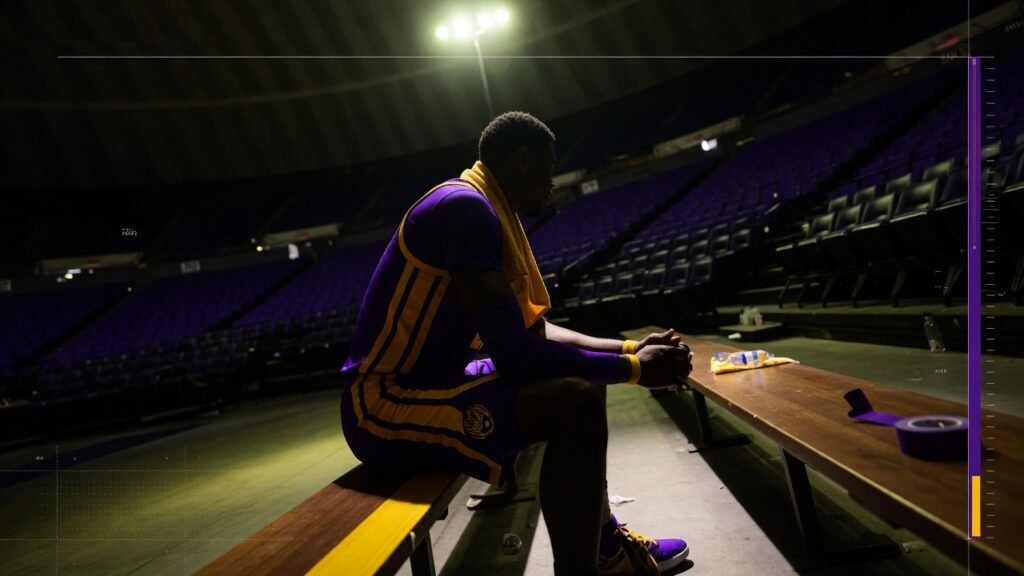
RJ Luis Jr. is the wedge. The former St. John’s forward signed two-way paper with the Utah Jazz, then landed in the Boston Celtics organization, never appeared in a regular-season NBA game, committed to LSU in May, and walked into Baton Rouge practice after East Baton Rouge Parish District Court Judge Ronald R. Johnson handed him a temporary injunction in late August. Attorney Tony Clayton called the ruling “precedent” and “monumental.” SEC Commissioner Greg Sankey filed an affidavit opposing it. Within days the conference presidents and chancellors answered with a 16-0 policy that bars any athlete who declared for the NBA Draft and failed to withdraw properly, signed an NBA or G League contract, or appeared on a pro roster. Men’s and women’s basketball sit under the same hammer as football.
I watched the sequence and saw the real play. The courts keep manufacturing eligibility. The SEC is manufacturing consequences that actually scare athletic directors.
Half a Budget Beats a Temporary Restraining Order
On August 26 the presidents went further. Fifteen schools, LSU abstaining, approved the penalty menu: head coach suspended for half the season, a fine equal to 50 percent of that sport’s annual operating budget, loss of SEC voting privileges on business matters, plus whatever else Sankey and the presidents decide to pile on. That is not a slap on the wrist. That is a deliberate attempt to make rostering a former pro a career and budget event the AD cannot absorb quietly.
The presidents’ statement was blunt: “College athletes, not former professional athletes, have been at the heart of the Southeastern Conference. Individuals who choose to leave college athletics, sign professional playing contracts, and compete professionally should not then be permitted to return to college competition.” They cited competitive equity and reduced opportunities for the kids who never left. I buy the equity piece more than the purity piece. Once a two-way contract or a G League stint becomes a free fifth year of college eligibility, the development pipeline collapses into a revolving door. High-major programs already chase NIL leverage and portal volume. Add actual pro experience and you are no longer running a college program. You are running a minor-league affiliate with better branding.
As of the morning of September 3 roughly 450 plaintiffs were chasing fifth-year relief. About 303 had court protection; 147 had been denied. Judge William Jorden then expanded the Louisiana injunction, letting LSU and a narrowed set of about seven SEC-seeking plaintiffs roster the ex-pros and blocking the conference from hitting them with immediate punishment. The SEC filed a federal lawsuit against LSU, AD Verge Ausberry, and Lane Kiffin in the Northern District of Alabama the same week. Sankey has already signaled the conference will keep defending the standard and will pursue retroactive penalties if the rulings ever flip.
Basketball Feels the Fracture First
Football gets the headlines because of the roster size and the money. Basketball feels the fracture faster. A single wing with NBA two-way experience changes matchup math in the SEC more than a sixth defensive back changes a Saturday night. Luis is one name. Mark Mitchell’s amended complaint is another. Every mid-major transfer who bounced through a summer league or a G League camp now has a litigation path. The Big Ten moved in the same direction. The Big 12 and ACC started drawing similar lines. You end up with a patchwork where one conference treats the NBA contract as a closed door and another treats a state-court TRO as an open invitation.
I keep coming back to the mechanism. The NCAA’s June 23 age-based model gave current and future athletes five years to play five seasons and deliberately cut out the 2025-26 finishers. That exclusion lit the lawsuits. The SEC’s response is institutional, not emotional. Sixteen schools agreed the line exists. Fifteen of them agreed the price of crossing it is half a coach’s season and half a basketball budget. Courts can keep writing temporary eligibility. Conferences can keep writing permanent costs.
The product on the floor is what suffers while the briefs fly. March Madness already runs on uneven talent distribution. Layer in former pros who lost their NBA foothold and the competitive integrity argument stops being theoretical. It becomes the difference between a true freshman earning minutes and a 23-year-old with professional seasoning taking them. The SEC is digging in because the alternative is a league that no longer controls its own roster rules. Sankey’s salary and private air travel made for good courtroom theater on September 3. The more durable detail is the 15-0 penalty vote. That is the number that will sit in every AD’s inbox the next time a former pro’s agent calls.
LSU can practice the players the judges cleared. The conference can still make the decision expensive enough that most programs never try. That is the fight now. Eligibility is no longer a bylaw. It is a multi-front war between temporary injunctions and institutional deterrence, and basketball is sitting in the blast radius.