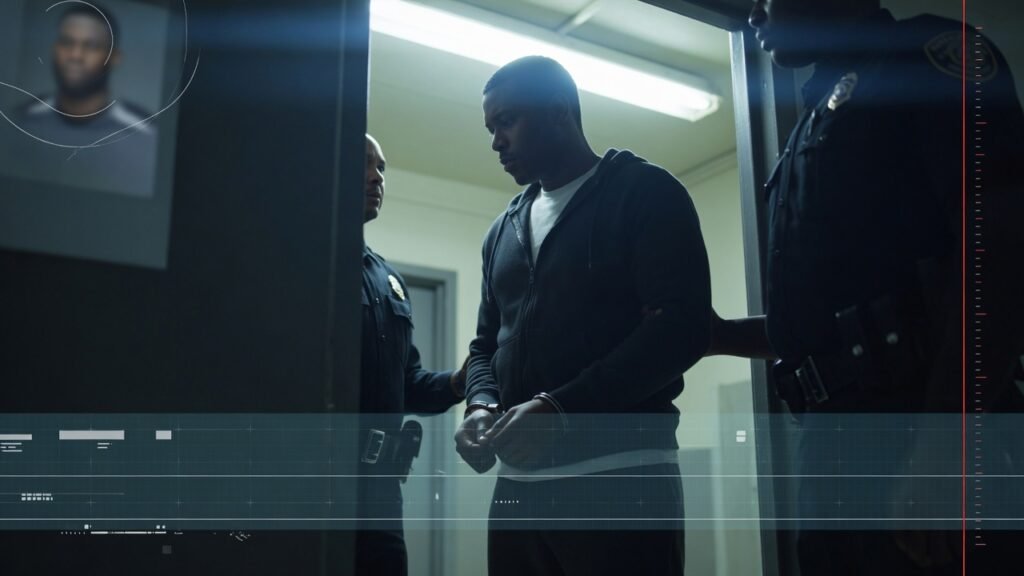
Robert Murphy Jr. faces 32 criminal charges after years of civil paper and a Title IX file that never made it to a courtroom. Nine of those counts are felonies for alleged sexual contact or penetration under the pretext of medical treatment. Twenty-three are misdemeanor sexual battery. A Wake County grand jury returned the true bills on September 14. Florida authorities booked the former NC State sports medicine director nine days later in Marion County and held him without bond.
Fourteen former male student-athletes sit behind the criminal case. Prosecutors say the charged conduct runs from October 2016 into fall 2021. Murphy, 54 and living in Ocala at the time of the arrest, waived extradition and is headed back to North Carolina. He has denied every allegation.
The criminal step is new. The civil trail is not.
The Civil Docket Ran Years Ahead of the Warrant
Ben Locke, a former Wolfpack men’s soccer player, filed the first federal lawsuit in August 2022 and had already gone to campus police. Locke alleged improper genital touching during massages and intrusive observation during urine drug tests starting when he was a 17-year-old freshman in 2015. That case grew. By 2025 it had 14 plaintiffs in state court. By late January and February 2026 the roster hit 31 former male athletes, most proceeding as John Does, suing Murphy and eight NC State officials that included former athletic director Debbie Yow and current AD Boo Corrigan. The complaint alleged the university failed to stop the conduct despite warnings that stretched back to 2012.
A Wake County judge dismissed the civil action in June 2026 on statute-of-limitations and jurisdictional grounds. Plaintiffs appealed. Attorneys later said 33 to 35 athletes had contacted them with similar accounts. Murphy resigned in spring 2022 amid the Title IX investigation and before it finished. His athletic training license was suspended that December and revoked in 2023. The Title IX probe, focused on Locke and built on roughly a dozen interviews over six months, found by a preponderance of the evidence that Murphy’s conduct was unwelcome, sexual in nature, pervasive, and severe enough through repeated nonconsensual genital contact during massages.
Jared Hammett, Murphy’s attorney, answered the civil pressure with a flat denial: “The truth is nothing happened but a man’s career being ruined for money.” That is the defense posture heading into the criminal phase. It will have to meet a different standard now.
Wake County District Attorney Lorrin Freeman framed the indictment without theater. “We appreciate the hard work of law enforcement and the courage of the victims in this case. We are intent on seeking justice.” She added that the office is “at the beginning of a process, but it’s an important day, certainly for the victims who’ve had the courage to come forward in this case.” Freeman also left the door open: if other victims choose to participate, those cases get investigated too. The personal cost of coming forward in these matters is not abstract to her office.
Access Is the Whole Mechanism
Sports medicine directors sit inside the most private space in college athletics. They handle injuries, recovery, drug testing, and the physical trust that comes with bare-skin treatment. That access is why the North Carolina statute on sexual contact under the pretext of medical treatment exists, and why nine of the counts are charged as Class C felonies that can carry multi-year prison exposure and sex-offender registration if a jury convicts. The alleged timeline covers five seasons of that access. The civil filings claim the department had warnings for a decade. The criminal case will test how much of that record survives in court.
NC State’s public response stayed inside the legal lane. “Sexual misconduct of any kind is unacceptable. The health and safety of students and student-athletes is paramount to N.C. State Athletics and the university. We are aware of the charges filed by Wake County against Robert Murphy. We will cooperate with law enforcement in this matter. As this is an ongoing legal matter, we cannot comment further at this time.”
That statement protects the institution while the case is live. It does not answer the operational question every athletic department now has to run: who audits the people with keys to the training room, and how fast does a credible complaint travel from athlete to AD to outside investigation? Title IX found severity by preponderance. The civil suit was dismissed on procedure. The grand jury still returned 14 true bills. Those three outcomes can coexist, and they already have.
The Transfer Clock Is Running
Murphy is expected in Wake County within days of the waiver. No prior criminal history has been reported. The defense will litigate intent, consent, medical necessity, and memory across a five-year window. Prosecutors will put the alleged treatment pretext at the center of the felony counts. Fourteen named victims in the indictment is a heavy docket for any single defendant; the civil attorneys’ higher contact numbers suggest the pool of potential witnesses is larger still if more men elect to join the criminal track.
College football and the rest of the athletic department do not get to treat this as a closed HR file anymore. A trainer who started in January 2012 and left a decade later now faces a criminal calendar built on the same alleged pattern that filled the civil complaints. The mechanism that mattered was access plus delay. The indictment is the first tool designed to measure both in open court.
Freeman called it an important day for the victims who came forward. The next ones will decide whether the system that allowed the alleged conduct for years can still produce a verdict that sticks.