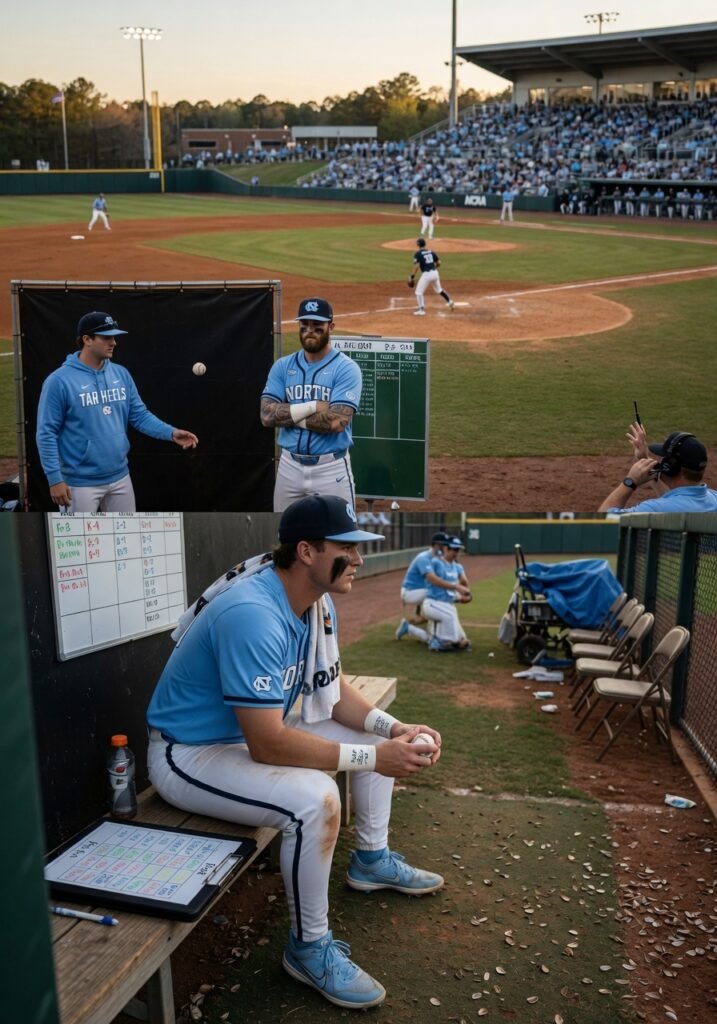
I was sitting at the kitchen table again after the kids finally crashed, the fridge humming its low, steady note in the dark like it always does when the swings miss. Last week’s takes on the D1Baseball assistant coach carousel and Koa Peat locking into the draft felt like watching a slow roller that never quite reached the bag. I called the Sorsby situation right when the NCAA brief dropped, but the rest of the ledger sat red. That bruise is still there. So tonight I went deeper into the ACC Extra piece on North Carolina’s bullpen aces and it landed like a fastball that rides up and in when you’re already down in the count.
This isn’t just another reliever carousel story. This is about how a program refuses to treat its late-inning arms like disposable parts. I’ve been burned before on overhyping bullpen construction in college baseball—remember when I swore the 2022 Miami group would dominate the regionals only for them to melt in extra innings against a lesser seed. My chest actually tightened watching that one unfold on the laptop screen while the rest of the house slept. North Carolina’s approach feels different because it treats development as the real weapon, not just the usage patterns that show up in box scores.
The piece lays out how the Tar Heels build these guys from the ground up, stretching their workloads in ways that would make old-school pitching coaches reach for the antacids. They’re not just handing the ball to flame-throwers with electric stuff and hoping the command holds. They’re crafting roles that evolve mid-season, turning setup men into closers and long relievers into high-leverage weapons without breaking them. I watched the tape from their midweek series against a conference opponent and saw the same arm slot adjustments that get praised in the article play out in real time. It’s the kind of incremental work that rarely trends but wins you series when the calendar flips to May.
What keeps gnawing at me is how this contrasts with the rest of the ACC. Clemson’s bullpen has that raw heat but the command wavers when the pressure spikes. I said it back in the preseason preview that their usage felt too rigid, and nothing I’ve seen since has changed my mind. North Carolina, though, mixes in the off-speed early to set up the velo later. It’s less Heat-style shootout and more The Wire-level chess, where the real power comes from knowing exactly when to deploy each piece. One bad outing doesn’t exile a guy to the bottom of the depth chart. They trust the process enough to let him work through it, and that trust shows up in the way their ERA leaders keep their velocity deep into the season.
I keep coming back to the physical toll angle because single-dad life has taught me that recovery isn’t just about the lab work. These arms are logging innings that used to be reserved for starters, and the Tar Heels are doing it without the Tommy John spike that usually follows. The article hints at the throwing programs and recovery protocols, but what it doesn’t say outright is how this philosophy ripples into recruiting. Kids see a path where they don’t have to be a Friday starter to get noticed. That’s the kind of edge that turns a good program into a sustained one.
My own bad prediction from last month still stings. I thought the Tar Heels would stumble out of the gate because their weekend rotation looked thin on paper. Instead they’ve leaned on the pen to bridge the gaps, and the results have forced me to eat crow on that one. It’s the same feeling I had when I underestimated how the 2018 Arkansas bullpen would carry them through regionals. You stare at the ceiling for twenty minutes after those games, replaying the at-bats where the strategy paid off. North Carolina isn’t just surviving with their aces—they’re dictating tempo. The way they flip lefty-righty matchups in the eighth and ninth feels calculated, not reactive.
There’s a scene in Casino where the whole operation starts to crack because the guys in charge stop respecting the small details. That’s what happens to most ACC bullpens when the season stretches. They get cute with roles or overexpose a single arm. North Carolina’s development model seems built to avoid that exact trap. They develop secondary stuff alongside the velocity so the aces have answers when the fastball command dips. I saw it in their series against a ranked opponent where a guy who entered the year as a middle reliever closed out the final two games with a mix that kept hitters off-balance. That’s not luck. That’s the result of a system that values the long view.
The grudge I’m carrying right now is with the national narratives that still treat college bullpens as afterthoughts. I’ve been on record saying the 2023 transfer portal inflated expectations for a lot of teams, and the ones that stayed home and developed internally are the ones pulling ahead. North Carolina fits that mold. Their aces aren’t the flashiest names, but the usage patterns create matchup nightmares that show up in win probability added, not just strikeout totals. It’s the difference between a program that reacts to injuries and one that plans for them.
I’m not ready to call this the year the Tar Heels run the table. I’ve learned that lesson the hard way. But the way they’re handling the pen gives them a margin that most conference rivals lack. When the regionals hit and the weather turns hot, those extra developed options could be the thing that separates a one-and-done from a trip to Omaha. The bruise from last week’s misses is still there, but this column is my swing at connecting the dots before the rest of the country catches on. North Carolina isn’t hiding their blueprint. They’re just executing it better than anyone else in the league right now.