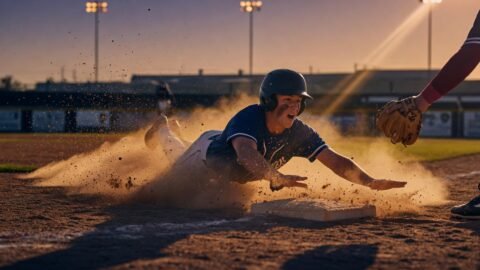
Four fall exhibition games is not a modest tweak. It is the NCAA admitting that two outside looks was developmental cosplay, and the coaches texting reporters about it are right to sound liberated.
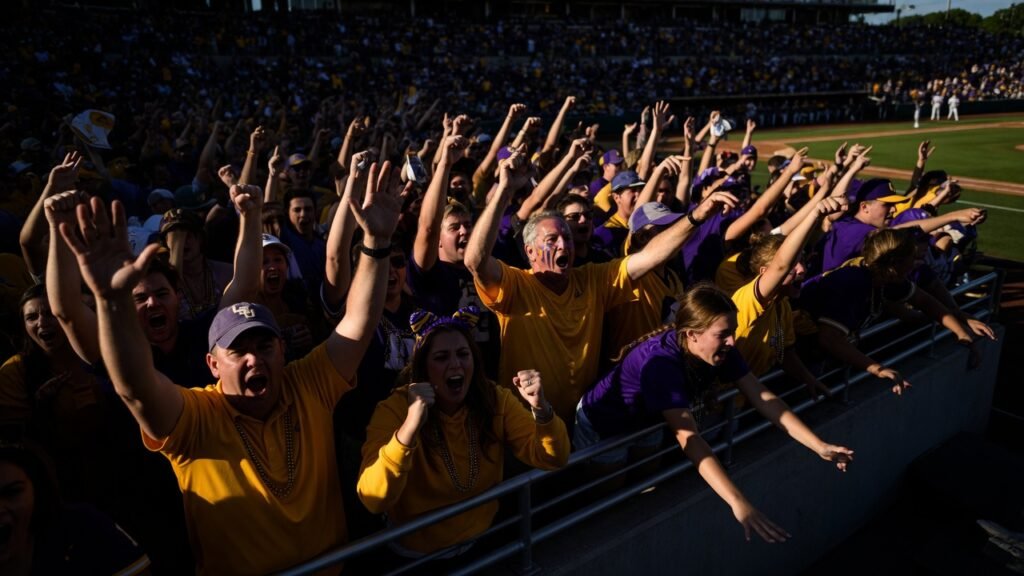
Kentucky already locked Cincinnati, Xavier, Indiana, and Morehead State across October. LSU is running Samford in Biloxi, then Troy and Southeastern Louisiana at home into mid-November. Arkansas is loading up. The D1Baseball tracker is filling like free pizza at a midnight study hall. Programs that spent years capped at two are treating four like oxygen.
I know what you’re drafting in the comments. Workload. Freshman arms. Spring fatigue. That take is cooked. These games do not count against the 56-game regular-season limit. They are non-official. They are pure development, pure evaluation, pure film against pitchers who are not your own bullpen throwing 70 percent.
Two Was Theater. Four Is Actual Baseball.
When the NCAA tabled the increase in January 2025 and only shoved through the 35-day preseason, one high-major head coach texted Baseball America the quiet part out loud: “It’s all for the player. We’re haggling over little things that really shouldn’t matter. Let the students play four baseball games in the fall. What’s the harm?”
What’s the harm was the whole argument. They sat on it another full cycle. Now it is live for fall 2026 and the same coaching class is calling it a major upgrade for preparation. More outside competition. More game-like reps. More chances for freshmen to learn how the moment actually feels when the other dugout is wearing different colors and the radar gun is not your guy’s.
Intra-squads do not teach a true freshman how to handle a 3-2 count against a rival closer who wants the punchout. Scrimmages against your own guys are controlled chaos. Four exhibitions give coaches receipts. Who freezes. Who competes. Who belongs in the weekend rotation when February hits and the SEC or ACC starts throwing live ammo.
I am done with the soft-energy injury scaremongering. You already got the extended preseason. Adding two more outside games does not shatter elbows. It surfaces the arms and bats that were going to break or disappear anyway, earlier, when you can still rework the depth chart before conference play turns every weekend into a war of attrition.
One mid-major assistant told Baseball America during that same January debate he wanted to protect the student-athlete and worried about opening the season short-handed because of injuries. Fair. Roster math is real. Pretending four October exhibitions are the villain while programs grind through a full spring slate is backward. The spring is where the body count actually happens. Fall is where you sort the roster before the real stakes arrive.
The Gatekeepers Lost. The Product Just Got Sharper.
Traditional media will frame this as “coaches rave” and move on. Skip energy. Surface. The real story is simpler: for years the sport treated fall baseball like a liability instead of a laboratory. Freshmen arrived, took BP, threw bullpens, and then sat until February wondering if they could handle live velocity with runners on. Now they get four chances to find out against actual opponents.
That is not glazing coaches. Plenty of them will still mismanage innings and over-trust veterans. But the ones who use the full slate correctly will enter conference play with cleaner evaluations and fewer surprise collapses. LSU and Kentucky already scheduled like they understand the assignment. Programs still clinging to two are announcing they do not trust their own development plan.
Competition is beneficial. The mid-major head coach who said that during the roster debates was talking larger numbers, but the principle travels. More game reps against outside pitching makes the spring product better without bloating the official schedule. That is the entire point.
By next fall the serious programs will treat four as the floor. The ones who half-measure it will look like they brought a JV slate to a Power conference arms race. The NCAA finally stopped haggling over the little thing. The only remaining question is which staffs are sharp enough to weaponize it before the rest of the league catches up.