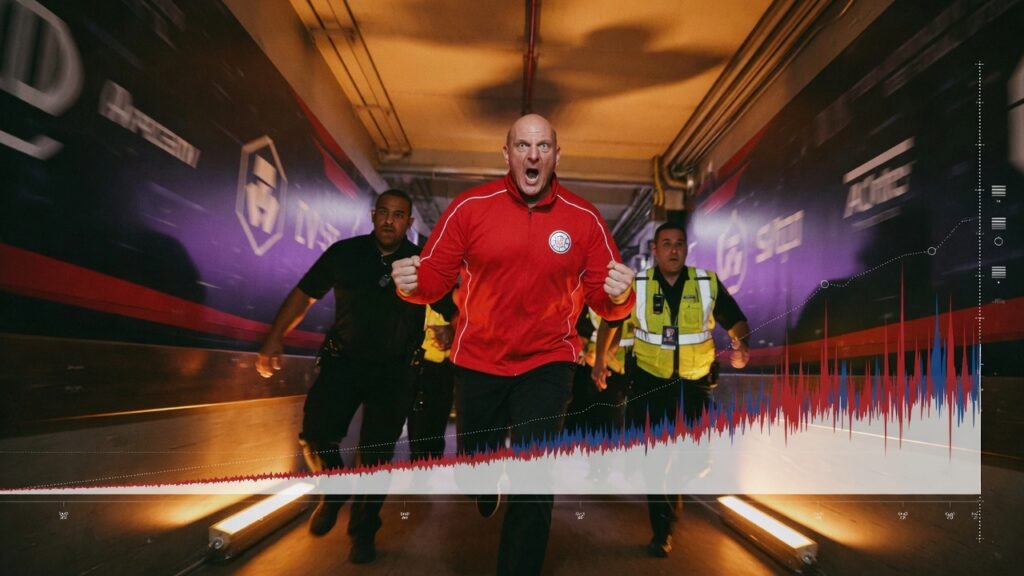
Steve Ballmer’s lawyer called the NBA’s penalties a “gross injustice.” Eleven days later Ballmer posted an apology, confirmed the $30 million fine was paid, and told the league he was finished fighting. That pivot is the entire story.
The investigation by Wachtell, Lipton, Rosen & Katz ran nearly a year and found a pattern of misconduct plus multiple significant salary-cap circumvention violations under the CBA. The Clippers, already tagged as a prior offender on these rules, affirmatively initiated off-court income for Kawhi Leonard with four companies that did business with the team: Aspiration Partners, Boingo Wireless, Daktronics, and Lockton Insurance. They facilitated the deals, induced the companies with team business, covered personal expenses for Leonard and his people, and failed to report improper solicitations routed through his then-business manager and uncle, Dennis Robertson. Leonard, through Robertson, pressed for the opportunities and pocketed them. Aggregate endorsement pay from those four companies hit $66 million. Ballmer himself had put $60 million into Aspiration. Consulting fees from the Clippers to the other three companies totaled another $22 million. That is not noise around a star contract. That is a parallel compensation channel.
Ballmer’s initial posture was total war. The franchise called the probe heavily biased and vowed to challenge the findings through every avenue available. Then came the Sunday night statement, one day before the Board of Governors meetings in New York and with a reported federal investigation hanging over the same dealings.
Five First-Rounders Is the Real Sentence
The fine is large and public. The year-long suspension for Ballmer, the unpaid year for business president Gillian Zucker, the six unpaid months for basketball president Lawrence Frank, Leonard’s $700,000 payment to the league, Robertson’s five-year ban from doing business with NBA teams, and the five-year compliance monitor all land hard. None of them rewrite the franchise’s future the way the draft capital does.
Los Angeles forfeits first-round picks in 2029, 2030, 2031, 2032, and 2033. Five consecutive firsts. For a roster built on max money and short windows, that is structural damage. You cannot soft-cap your way around missing an entire half-decade of lottery and mid-first flexibility. The CBA already punishes second-apron teams with draft-pick restrictions and free-agency friction; stripping five more firsts turns a short-term star chase into a long-term hole. I keep coming back to the mechanism: when you attach off-book income to on-court performance and roster retention, the league’s only durable deterrent is future assets. Cash is recoverable for a billionaire owner. Picks are not.
Ballmer still carved out space. “There are still disagreements concerning the findings in the report,” he wrote, even as he accepted the penalties and the apology. He owns the distraction while contesting the underlying facts. That is lawyered language designed for the room of owners he is about to walk into and for whatever federal process may still be gathering documents.
The Apology Was Timed for the Room
“This has been a very difficult time for everybody associated with the Clippers, and for that, I have sincere regrets,” Ballmer said. “I want to apologize to our fans, employees, and my fellow NBA team owners for the distraction and distress this matter has caused, for which I accept responsibility as principal owner.” He added the line that actually matters inside the league: “Team owners should support, not distract.” Then the forward spin: paid the fine, complying, moving on, talented roster, clear vision, compete at the highest level.
I read that as damage control timed to the calendar. Defiance past the Board of Governors risked isolation among the other 29. Acceptance clears the immediate political path and may unstick the previously agreed Leonard trade to Toronto that sat frozen while the probe ran. Leonard was not suspended. The $700,000 hit is a rounding error against the $66 million in side deals the investigation tied to him. The organization carries the heavier structural cost.
Cap circumvention cases succeed or fail on documentation of intent and facilitation. Here the league had the pattern, the prior-offender history, the company list, the expense payments, and the failure to report. Ballmer’s $60 million Aspiration stake and the $22 million in consulting fees to the other three companies made the money trail impossible to wave away as ordinary sponsorship. The NBA’s response is the heaviest modern package short of stripping a franchise: cash, personnel suspensions, a multi-year monitor, and five first-rounders.
The Clippers will keep trying to win now with the roster they have. They have no other choice. The 2029-to-2033 window is already gone. Ballmer can disagree with the report forever. The picks still leave on schedule, the monitor stays, and every future endorsement conversation inside that building now runs through league eyes. That is the price of the side channel, paid in full the night before the owners met.