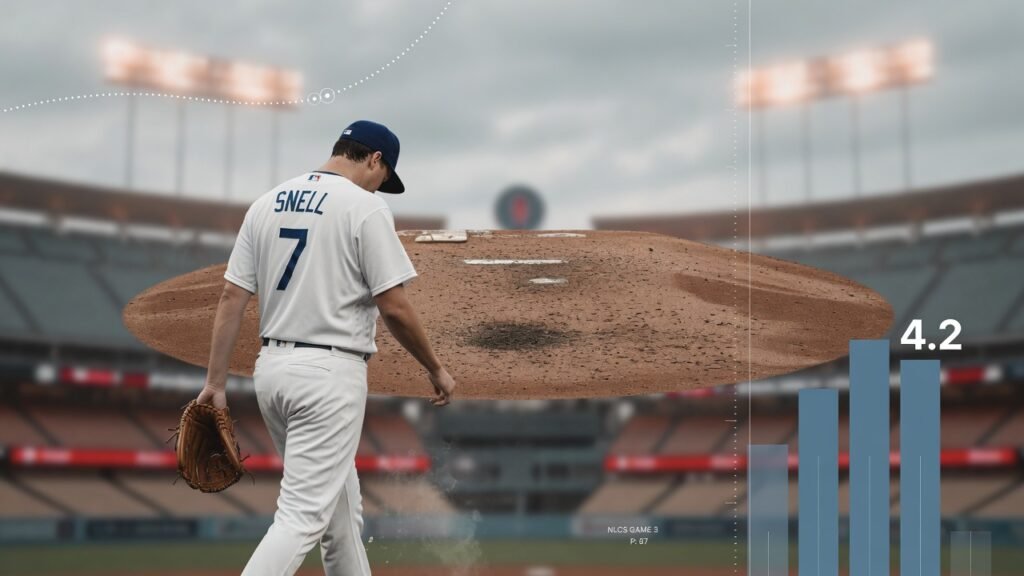
Blake Snell threw 19 pitches, faced the minimum, and walked off with the one decision that actually matters in September. He stopped.
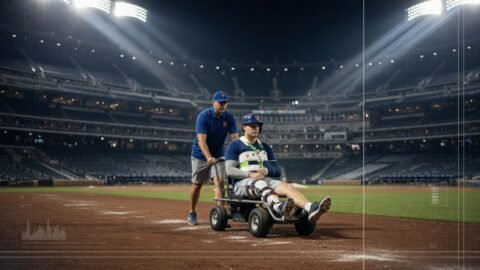
He felt the grab on the second-to-last pitch of his bullpen session against the Reds on Wednesday night in Cincinnati, a slider that lit up the same left groin that has already put him on the injured list four different times across his career. He still took the ball for the first inning. He still got through it clean. Then he told Dave Roberts and the training staff the truth instead of grinding into a full strain the way he has before.
“I’ve strained it four different times. So I’m aware if I kept pitching, I definitely would’ve strained it,” Snell said. “For me to stop, that’s a first. Maybe I’m growing up. I don’t know. But that was definitely the right move.”
I keep coming back to that line. The exit itself is not the story. The self-awareness is.
The Delivery That Keeps Breaking Him
Snell’s lower half is the engine and the liability in the same motion. He generates velocity through an explosive drive that loads the adductors hard, and when those tissues tighten, the rest of the delivery starts compensating. On Wednesday he threw eight four-seamers at 94.5 mph, a full 1.5 mph below his season average, and he admitted he was mostly guiding the ball rather than driving it.
“I wasn’t trying to use my lower half. It was only a couple pitches where I got into my legs and threw the ball hard,” he said. “Outside of that, I was kind of guiding it in there.”
That is the tell. When Snell cannot load the legs cleanly, the fastball flattens and the rest of the arsenal loses its leverage. He has spent the last two years building adductor strength specifically to keep this from flaring, including Copenhagen planks as a stabilizer. The grab still showed up cold in the bullpen. He called it a shock. The history says it was always a risk.
Look at the timeline. Left adductor strain in 2021. Nearly a month missed in 2022. Two separate IL stints with the Giants in 2024 for groin and adductor. Then this season he opened on the IL with left shoulder fatigue, came back for one start, and went back under the knife for loose bodies in the elbow. He returned August 11 and immediately posted a 4-0 mark with a 1.04 ERA across six starts. Dominant. Fragile. Both things true at once.
The Dodgers lost 6-2 after he left. Six relievers covered the final seven innings. The clinch stayed on ice for another night. None of that is the priority Roberts is managing.
Postseason Readiness Over Regular-Season Heroics
Roberts put it clean: “I like where his head is at, but he just can’t afford any more setbacks. So, whether it’s his next start or being pushed back, or whatever it is, we’ve got to make sure that he comes out ready to go in the postseason.”
Los Angeles entered the night at 92-60, needing a win or a Padres loss to lock the NL West for the 13th time in 14 years, sitting 3.5 games clear of Atlanta for the No. 2 seed. Ten regular-season games remained. That cushion is exactly why they can treat Snell as day-to-day instead of desperate. The rotation already has holes in the fully built-up starter ranks. Losing another October arm would turn a deep October path into a bullpen tax nobody wants to pay.
Snell wants one more regular-season start if the groin cooperates. The club will monitor how he feels over the next few days, treat it, and decide after they get back to Los Angeles. He described the sensation as less severe than past strains and called it more of a scare. The velocity dip and the guarded delivery say the body was already protecting itself before the medical staff stepped in.
I ran the recent stretch again. Four runs allowed across those six starts since the August return. No home runs. The Dodgers won five of the six. That version of Snell is a legitimate postseason anchor if he can take the ball healthy. The version that keeps pitching through groin tightness becomes a multi-week IL problem in October, and every front office in the National League knows the difference.
The mechanism here is simple. Explosive lower-half delivery plus a four-time strained adductor group equals a pitcher who has to self-police or get shut down by the trainers. On Wednesday he self-policed. That is the growth he mentioned. It is also the only path that keeps him available when the games stop being about clinching and start being about surviving a best-of series.
The champagne can wait. The groin cannot.