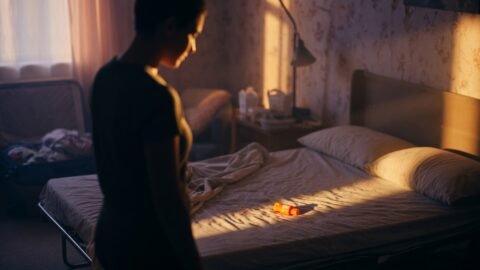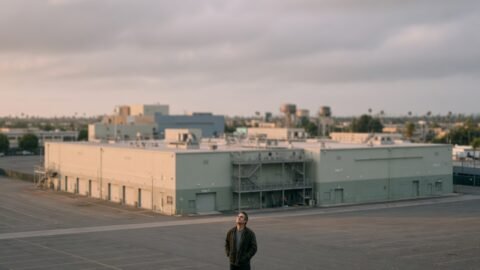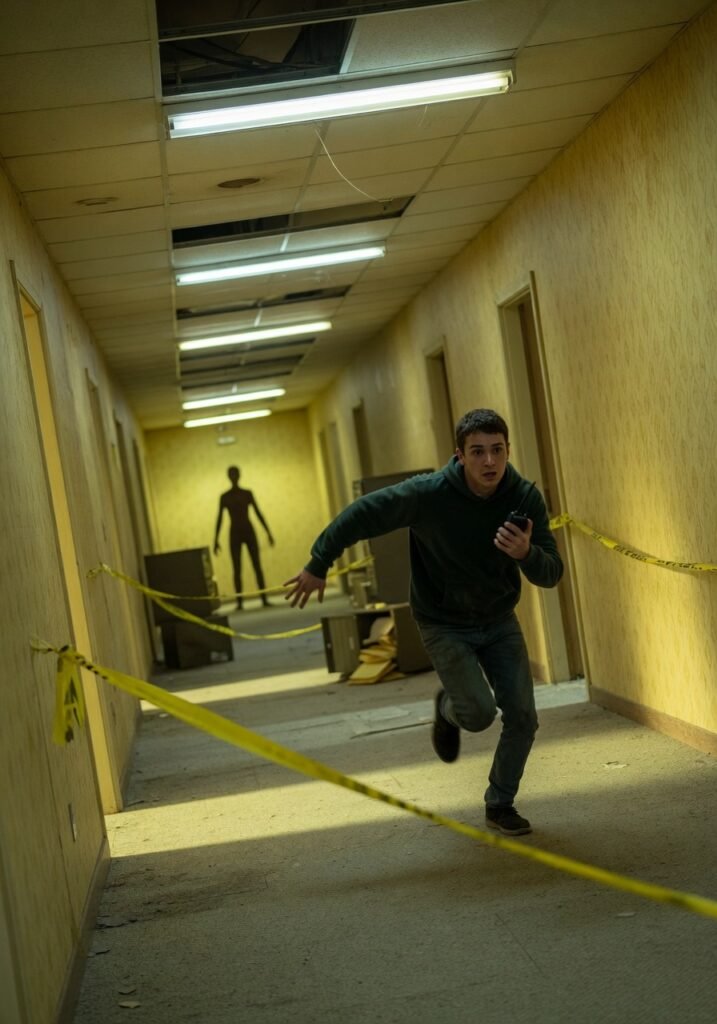
A24 just dropped a new still from their Backrooms adaptation, and the image of Chiwetel Ejiofor looking like a man who just realized the furniture showroom basement swallowed his entire sense of reality feels exactly right for the material. The studio is betting that a four-year-old YouTube series built on a 4chan creepypasta can carry a theatrical horror release on May 29, and the early signs suggest they are not treating this like another quick cash-in on internet folklore. Kane Parsons is making his feature debut after turning the endless yellow monotony and buzzing lights into something that actually escalates, and the cast—A24 regulars Renate Reinsve and Ejiofor plus Mark Duplass and Avan Jogia—signals they want actors who can sell dread without needing jump scares every ninety seconds.
The original concept lives or dies on atmosphere. Those liminal hallways work because they weaponize the brain’s pattern-recognition software against itself. You know the rooms should not connect the way they do, yet the fluorescent hum keeps promising that if you just turn one more corner you will find an exit. Parsons expanded that on YouTube into something closer to a slow-building survival nightmare than a simple creepypasta retread. The film appears to be following the same logic: a doorway opens in a furniture store, Clark (Ejiofor) documents what is on the other side, and whatever lives in the Backrooms starts following him back into our world. That setup gives the story a clear through-line instead of drifting into pure mood piece territory.
Now, you might be thinking that any studio horror built on viral source material is doomed to mystery-box plotting with no payoff. Stay with me here. Look at how The Thing handled its isolated group turning on itself, or how Aliens turned the xenomorph from unknowable terror into something that still respected the original’s rules while raising the stakes. The Backrooms has similar potential if the script by Will Soodik keeps the entity encounters tied to character decisions rather than random set pieces. Soodik’s Ash vs. Evil Dead credits suggest he understands how to mix grotesque practical horror with character-driven escalation, and that is the exact skill set needed when the environment itself is the antagonist.
Ejiofor’s casting is the smartest move here. He has played men under immense pressure before—see 12 Years a Slave or The Martian—but this is new territory for him. The still shows Clark already unraveling, and the premise lets the performance carry the weight of realizing the rules of reality no longer apply. Reinsve as the therapist following her patient into the unknown adds another layer: someone trained to interpret trauma now has to survive it. That dynamic could anchor the middle act when the maze starts testing how long two people can maintain trust while every corridor looks identical.
The risk is obvious. Liminal-space horror collapses the moment it tries to explain too much or leans on found-footage clichés that have been run into the ground since 2010. If the second act sags because the protagonists simply wander while the audience waits for the next entity reveal, the whole thing will feel like an expensive version of the YouTube series instead of an evolution. Parsons has already proven on the smaller screen that he can sustain tension across multiple entries without over-explaining the rules. The question is whether that discipline survives the transition to a feature with studio expectations and a wider audience that may not have logged the same hours in the yellow rooms.
I said last week in the piece on Dark Hole that Korean horror often succeeds by refusing to soften its body count or its philosophical gut punches. The Backrooms can follow that same path if it treats the liminal space as genuinely hostile rather than a backdrop for characters to deliver exposition about “misrememberings of rooms.” The source material already contains the perfect engine: once you enter, the environment starts rewriting your memories and your sense of time. A film that actually explores the psychological cost of that process, instead of just showing monsters in the corners, would stand out in a summer crowded with bigger, louder horror.
Ejiofor’s upcoming role in Mike Flanagan’s Exorcist project adds extra context. He is clearly comfortable with elevated genre work that respects both the audience’s intelligence and the source’s iconography. If Backrooms can match that standard, it might finally prove that internet-born horror can reach theatrical audiences without diluting what made the original videos spread in the first place. The still of Clark’s face already suggests the film understands the assignment: the fear is not just what is behind the next door, but what happens when you realize you can never be sure you are still in the world you left.
The rest of the supporting cast—Duplass, Bennett, Maxwell, Jogia—gives Parsons options for smaller, grounded performances that can sell the slow erosion of sanity without needing big speeches. That ensemble approach worked in films like The Thing because every character felt like they had something to lose. If Soodik’s script gives these players clear, conflicting goals inside the Backrooms, the movie could avoid the usual trap where the environment swallows the people instead of the other way around.
What separates this from previous creepypasta adaptations is the combination of Parsons’ proven track record on the series and A24’s willingness to let atmosphere drive the marketing. They are not leading with jump-scare clips or heavy CGI reveals. They are showing Ejiofor’s face registering the moment the rules break. That choice tells you they believe the concept’s power is still in the quiet, endless wrongness of the space itself. Whether the finished film honors that promise will depend on whether the screenplay keeps the horror personal rather than turning the Backrooms into another generic maze full of disposable characters. If it lands, we could be looking at the rare case where a viral property becomes a genuine cinematic event instead of another footnote in the “internet horror tried and failed” file.