Twelve acting Emmys. Zero actors of color. The 78th Primetime Emmys did not invent a new problem so much as reheat the old one until the hashtag started smoking again.
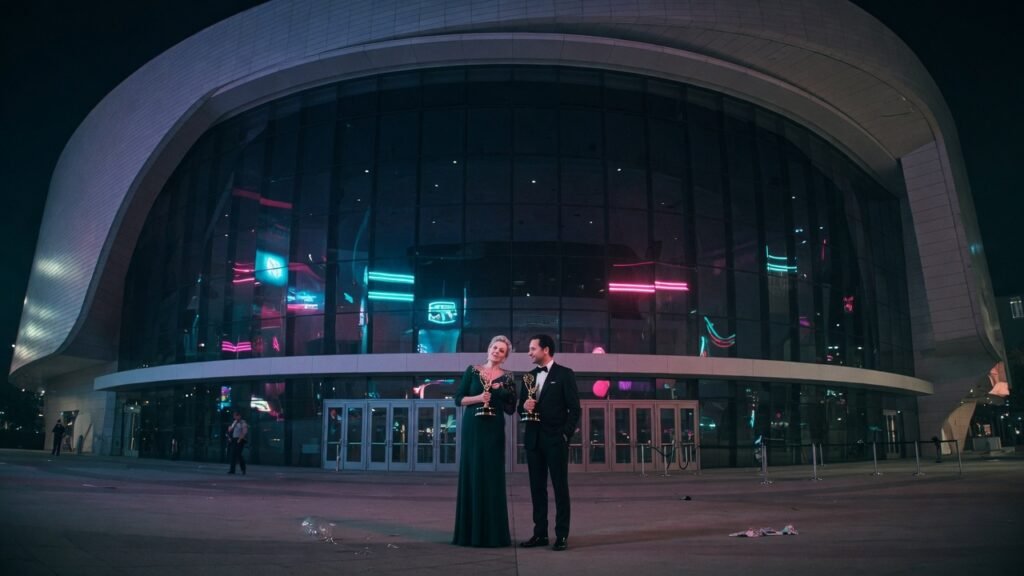
On September 14 at the Peacock Theater, every lead and supporting acting prize on the main broadcast, plus the two limited-series supporting awards handed out earlier at Creative Arts, went to white performers. It is the first complete shutout in those twelve categories since 2021, the last time #EmmysSoWhite had a proper tour. Matthew Rhys made real history by winning two lead trophies in one night. Jean Smart collected her fifth straight comedy lead for Hacks. Rhea Seehorn, Noah Wyle, Allison Janney, and the rest of the board did their jobs. The voters still delivered a monochrome night that felt less like coincidence and more like muscle memory.
April Reign, who coined the original #OscarsSoWhite tag a decade ago, did not bother with soft language. “Last night, the Television Academy confirmed what its own nominations told us two months ago: this is not a talent problem, it is a systems problem,” she told USA TODAY. “When every winner across all twelve lead and supporting acting categories is white, in the same year that followed the industry’s loudest promises about equity, the pattern is the story, not any single ceremony.”
Stay with me here. The nominations themselves already told on the system. Seventeen performers of color landed in the lead and supporting races, according to Variety. That is down from twenty-eight the year before, a thirty-nine percent drop that should have set off every diversity dashboard the studios keep on the wall for press days. Quinta Brunson and Ayo Edebiri were back in comedy lead. Zendaya sat in drama. Sterling K. Brown, Yahya Abdul-Mateen II, Oscar Isaac, Riz Ahmed, Colman Domingo, Jessica Williams. The ballots had options. The winners did not.
Seventeen Names on the Ballot and a Clean Sweep Anyway
Look, I get it. Awards are popularity contests run by people who have seen the same faces at the same parties for twenty years. Jean Smart has earned every one of those five straight wins the hard way; the woman is a precision instrument. Rhys becoming the first performer to take two leads on the same night is a legitimate career flex. Nobody serious is arguing those trophies were stolen. The argument is simpler and uglier: when the Academy can look at seventeen nominated performances from actors of color and still walk out with a perfect white card, the problem is not “who was best that night.” The problem is who the room defaults to when the lights go down.
Creative Arts threw two bones the weekend before. Ernest Harden Jr. won guest actor in a drama for The Pitt. Octavia Spencer took narrator for Lost Women of Alaska. Guest spots and voiceover. Useful, deserved, and still not the same as the categories that open the front page and set the narrative for the entire season. Hiro Murai’s directing win for Widow’s Bay actually moved a real needle: first Asian director ever in comedy, third Asian director overall after Lee Sung Jin and Hwang Dong-hyuk. That is progress with a paper trail. Acting stayed frozen.
The Television Academy’s own transparency numbers explain the weather without needing a conspiracy board. Membership sits at roughly sixty-seven percent white. Black members around nine percent. Latinx and multiracial categories each under eight. East and Southeast Asian membership under five. You can hold listening sessions and issue statements until the servers melt. A voting body that looks like that will keep producing nights that look like this unless the membership changes or the incentives do. Reign again, same interview: “I named [#OscarsSoWhite] the first time in 2015, and I am naming it again now, because a pendulum that keeps swinging back on its own does not right itself. Someone has to push it.”
The Promises Were Louder Than the Membership Roll
Now, you might be thinking the studios already fixed this after 2020. They sure announced they had. Inclusion riders, new fellowships, solemn panels about “amplifying voices.” Then the nomination count for actors of color fell by more than a third in a single cycle, and the winners’ circle went blank. That is not a mystery box. That is a system doing exactly what its composition predicts.
Sheryl Lee Ralph, standing on the red carpet for Abbott Elementary, cut through the noise with one line: “Abbott Elementary is the only real comedy nominated.” Whether you buy the ranking or not, the frustration is the point. Brunson already won this category in 2023. Edebiri gave the speech people still quote. Both were back on the ballot. Both watched Smart take the stage again. The work was there. The vote was elsewhere.
Rhea Seehorn, accepting for Pluribus, reached for Gloria Steinem via a card from Keri Russell: “We are linked, not ranked.” Beautiful sentiment on a night when the ranking arrived looking like a 1990s yearbook. Linked would have produced a different photo.
Widow’s Bay vacuumed up fourteen Emmys and rewrote the single-year comedy record while the acting categories stayed sealed. Directing could break through. Performance could not. That split is the quiet tell. The industry will celebrate the Asian director who staged the weird island horror-comedy, then quietly return the acting hardware to the same demographic slice it has always preferred when the big categories land.
The Academy has not answered USA TODAY’s request for comment. Silence is also data. Five years between shutouts is not a fluke interval; it is a reminder cycle. Nominations can expand. Membership and voting habits move slower than a prestige drama’s third-act reveal. Until those two numbers shift, the hashtag will keep its return ticket. Zero out of twelve is not a vibes complaint. It is the scoreboard the industry wrote for itself after promising it had learned how to count.