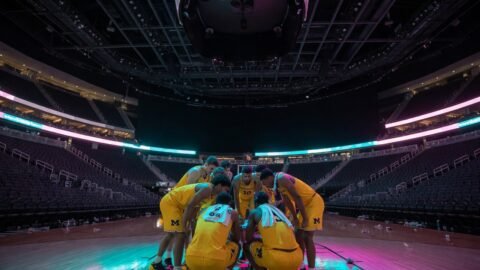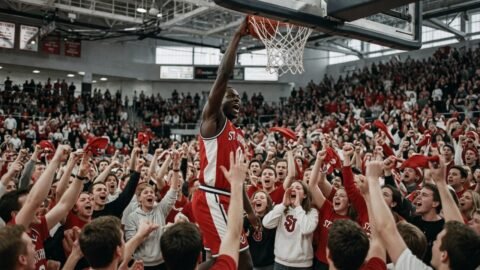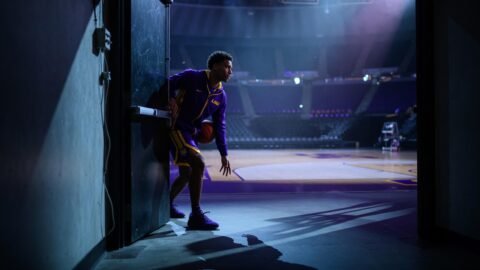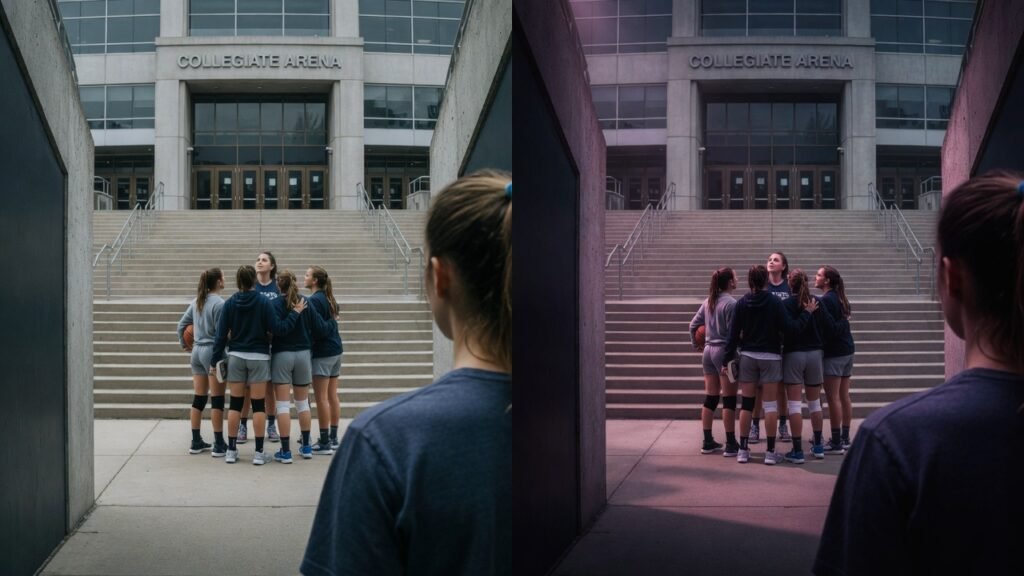
Over 100 women’s college basketball players just signed union cards, and the NCAA’s century-long con is finally running out of oxygen. I have watched this organization treat athletes like inventory for longer than most of these players have been alive, and what landed this week is not a polite request. It is an indictment.
The United College Athletes Association announced that more than 100 college women’s basketball players have authorized a union drive, the first of its kind in women’s college sports and the largest formal push any group of college athletes has made for collective bargaining. Oregon State went first. Ten of thirteen Beavers signed cards and petitioned the Oregon Employment Relations Board. They want voluntary recognition as employees. If the school refuses, they go through the state board. Labor-friendly law. Smart strategy. And it took six months of quiet organizing to get here while the rest of the industry pretended nothing was coming.
I am telling you right now: this is the moment the amateurism myth dies in public.
They Stopped Asking Permission
Maryland senior Oluchi Okananwa put it without a single wasted word. “We are professional athletes,” she told ESPN. “Although the NCAA begs to differ, we are employees.”
That is not activism theater. That is a factual description of a business model that has extracted billions off their bodies, their schedules, and their medical risk while handing them a scholarship and a lecture about gratitude. Oregon State senior Jenna Villa, leading scorer and a member of the UCAA’s interim executive committee, said it cleaner still: “We want one voice.”
One voice. Against a multi-billion-dollar cartel that has spent more than $3 billion since 2021 on lawsuits, lawyers, and lobbyists trying to convince Congress to hand them a bailout and rewrite the rules without the athletes in the room. You do not spend that kind of money defending a system unless the system is the product. The athletes are the labor. The NCAA has never wanted that sentence spoken out loud.
Jada Williams, now at LSU, said what every athletic director hopes never reaches a microphone: “Nobody should be making decisions without us. A lot of people treat us like kids, but we live adult lives. We should negotiate transfers, money, eligibility, everything. We should have a voice in all of it. … We’re ready to shake the room.”
I have covered enough labor fights in pro sports to know what “shake the room” actually means. It means the old arrangement is finished whether the people in suits like it or not.
The Floor Is the Point
UCAA executive director Andrew Cooper framed the structure the way every serious union does. “There should be a floor, and we want to raise the floor for all athletes.” Safety mandates. Enforceable medical protections. Workers’ compensation. Scholarship and transfer protections. Academic credit that actually travels. Minimum compensation and fair revenue sharing. The same architecture every professional league already runs because the alternative is exploitation dressed up as tradition.
Nneka Ogwumike, nine-time WNBA All-Star and UCAA adviser, did not hedge. “College athletes deserve the same rights and protections as professional athletes.” Meghann Burke of the NWSLPA pointed at the obvious precedent: the NWSL players organized, the league transformed, and collective action proved it was the only tool that stuck. Even Tennessee athletic director Danny White has said the quiet part: “Collective bargaining is the only solution.”
When an AD and the players are saying the same sentence, the institution pretending otherwise is not confused. It is stalling.
I have watched the NCAA spend years insisting these athletes are students first while building television contracts, tournament empires, and coaching salaries that only make sense if the product on the floor is labor. Malia Samuels, who transferred to Indiana after three years at USC, cut through the branding: “I don’t think anything we’ve been through in the past two years puts the student before the athlete.” That is the entire case. The calendar, the travel, the medical decisions, the NIL chaos without a bargained floor. None of it was designed around a classroom. It was designed around a broadcast window.
This Is Not a Drill
The NCAA and most schools will fight employee status with everything they have left. They will talk about competitive balance and unintended consequences and the purity of the college game. I have heard every version of that speech since before these players were born. It always ends the same way: the people generating the value stay locked out of the room where the value gets divided.
Not this time. Oregon State filed. More than a hundred women’s basketball players signed. An interim executive committee is already stacked with current athletes from multiple Power conferences. Advisers include WNBPA leadership and former NLRB muscle. They are starting school by school and building toward conference-wide and master agreements with sport-specific supplements. That is not a press release. That is a blueprint.
I said years ago that the NCAA’s refusal to build a real employment framework would eventually hand the athletes the moral and legal high ground. Nobody in Indianapolis wanted to hear it. They are hearing it now in the only language institutions understand: authorization cards, state labor boards, and a generation that will not accept “because we said so” as a compensation plan.
These women are not asking for a seat at the table. They are building the table and sending the invoice. The NCAA can recognize reality, or it can keep writing checks to lawyers while the people who produce the product organize the future without them. I know which side history is on. The cards are already signed.