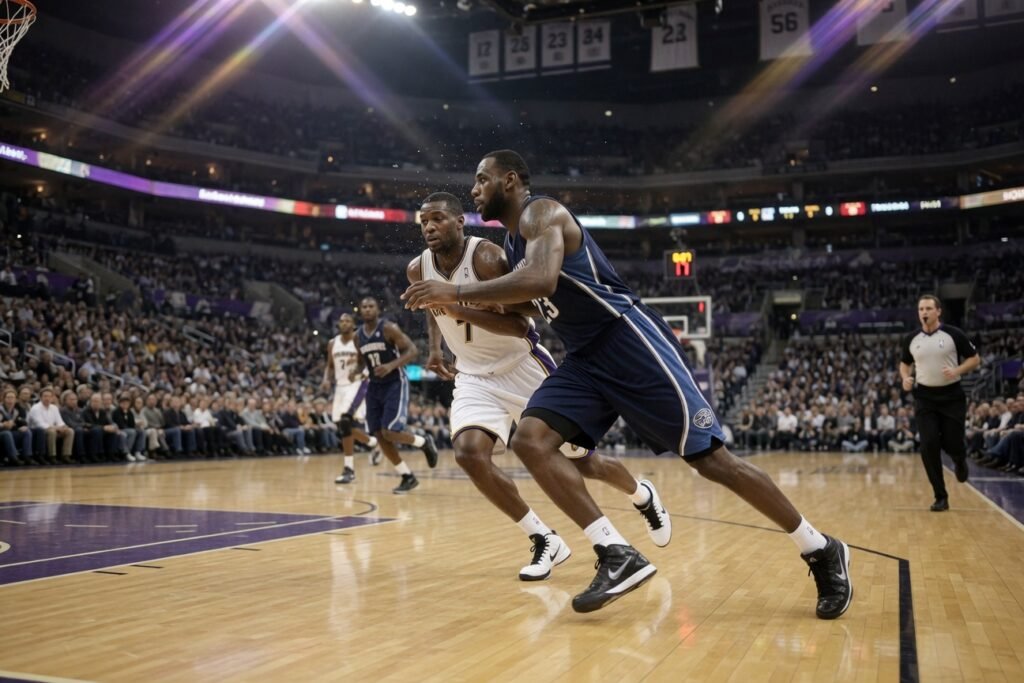
The NBA keeps selling us this fairy tale that one top-five pick resets everything. Tank for a year, land the savior, watch the parade route get mapped out. Except the data keeps punching that myth in the mouth. I went through those 100 top-five picks from 2000 to 2019 the same way the Athletic laid it out, and the reality is ugly: 56 of them never won a single playoff series for the team that drafted them. That’s not a couple of outliers. That’s the norm.
I know what the comments are already loading up. “But Tatum!” “Embiid is still there!” Sure. Those five guys still on their original squads right now are the exceptions that prove how rare the whole thing is. The average top-five pick lasted just 5.1 seasons with the franchise that picked him. Less than half even made it to their second contract in the same jersey. Most of these “cornerstones” get shipped out before they ever sniff a conference finals, let alone a ring.
The Spurs remain the massive outlier everyone points to, and they’re the reason the myth stays alive. Popovich and Duncan turned the No. 1 pick into a dynasty, but that run was lightning in a bottle. One organization figured out how to actually develop and keep elite talent while everyone else treated the draft like a slot machine. The rest of the league? They draft high, watch the kid average 18 and 7, then trade him for role players once the clock hits year five.
Tanking apologists love to pretend the math works in their favor. It doesn’t. Recent Finals teams, even the small-market ones, barely leaned on top lottery picks at all. Oklahoma City built around Shai Gilgeous-Alexander, who arrived via trade. The best two players in last year’s Finals series both changed teams on the way up. Chet Holmgren is the lone top pick on that roster acquired the old-fashioned way. That’s not an accident. That’s the league telling you the model is broken.
I watched enough of these careers unfold to know the pattern. A guy like Nikoloz Tskitishvili or Shelden Williams gets picked fifth, flashes some tools, then vanishes into the rotation shuffle or gets flipped for cap space. Meanwhile the actual championship rosters get built through free agency, smart trades, and the occasional late first-round steal that everyone ignored. The draft is still important, but the premium attached to top-five selections is pure fantasy.
The league’s proposed lottery changes are the first honest acknowledgment of this in years. Flattening the odds for the worst teams is going to force front offices to actually develop what they have instead of mailing in seasons for ping-pong balls. I said it when the last reform happened and I’ll say it again: teams that treat the draft like guaranteed equity are the same ones crying when their “asset” demands out in year three.
Dwyane Wade is the clearest proof of what actually works. The No. 5 pick who stayed, who won 22 series in Miami, who became the face of the franchise. “I never lost. I just ran out of time” wasn’t some retirement speech; it was the rare admission that one player can only carry so much when the organization around him refuses to build. Most top picks never get that runway.
The dream of a decade-plus cornerstone is basically dead. Only 6 percent of those 100 players stuck around ten seasons or more with their original team. Tatum will nudge that number slightly, but the trend is clear. These kids get drafted, get paid, get injured or get traded, and the cycle repeats. The front offices chasing the next Wade are the same ones that keep landing on the next Tskitishvili.
Free agency and trades are how actual contenders are assembled now. You can tank for three years and still end up with a roster full of high-minute losers if you don’t know how to evaluate or develop. The small-market teams that made recent Finals did it by acquiring talent the hard way, not by praying the lottery balls fell their direction.
I’m done pretending the top five is some magic bullet. It’s a high-variance gamble where the house usually wins. The players who actually move the needle for their drafting team are the exceptions, not the blueprint. Everything else is just front offices lying to their fanbases and themselves.
The vote on May 28 is going to decide whether the league keeps rewarding the tank or finally forces teams to compete. Either way, the data already told us what happens when you bet the franchise on one ping-pong ball.