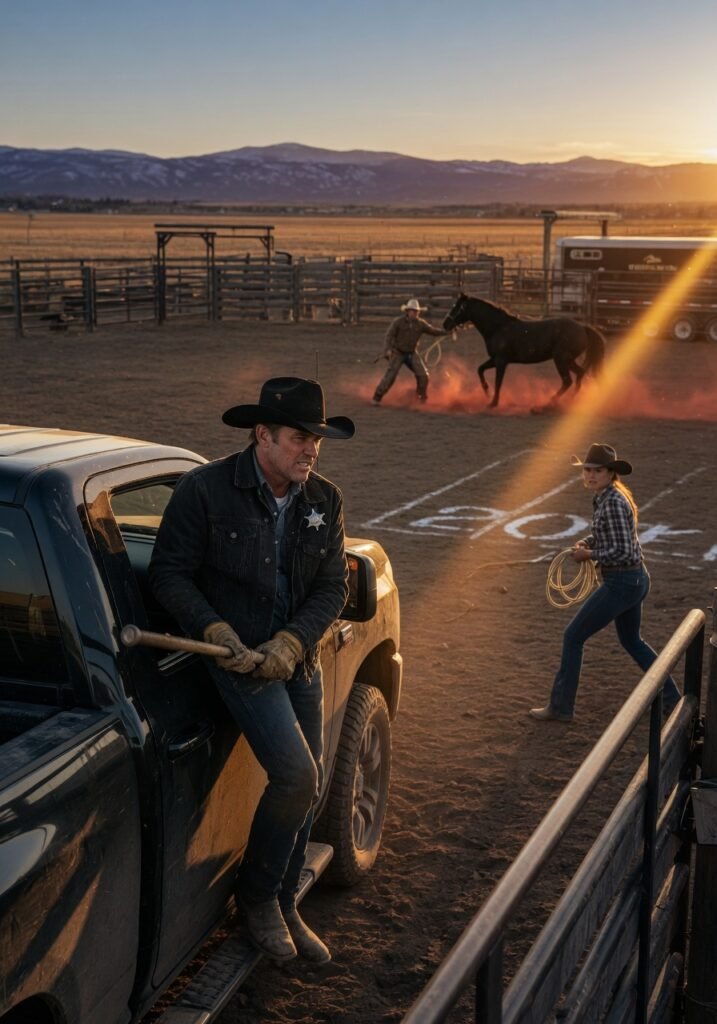
If Yellowstone left you craving stories where the land itself feels like a character that will chew you up for breakfast, Taylor Sheridan’s current run of neo-westerns is the exact fix. Landman in particular stands out as the most addictive entry point right now, a three-show binge cycle that pairs the new Marshals spin-off with The Madison and the oil-field chaos of Landman itself. Each one keeps Sheridan’s signature engine running: power extracted from the ground, loyalty tested until it snaps, and consequences that never arrive with a tidy bow.
Landman premiered at the tail end of 2024 just as the original Yellowstone wrapped, and it immediately pulled millions of viewers who recognized the same brutal calculus. Billy Bob Thornton plays Tommy Norris, a corporate fixer for an oil company in West Texas who spends his days negotiating with roughnecks, cartel-adjacent operators, and his own daughter’s terrible decisions. The show does not romanticize the industry the way some prestige dramas pretend to. It shows the endless paperwork, the backroom threats, and the way every barrel of crude carries a body count.
You might be thinking the formula is getting old, but the execution keeps sharpening. Where Yellowstone often leaned on rancher-versus-developer standoffs with clear moral teams, Landman drops its characters into overlapping gray zones that refuse to resolve cleanly. A single episode can move from a fatal rig accident to a family dinner where the same people are laughing over steak. That tonal whiplash is deliberate and effective.
The Madison brings Kurt Russell and Michelle Pfeiffer into a Montana setting that feels like a spiritual cousin to the Dutton ranch without ever copying it. Their characters navigate generational land disputes and quiet personal reckonings that hit harder because the actors play restraint like a weapon. Marshals, meanwhile, sends Luke Grimes’ Kayce Dutton into a new chapter that strips away the ranch safety net and forces him to enforce federal law on the very kinds of people he once protected. The three shows together form a loose triptych: oil, legacy land, and law enforcement, all orbiting the same unforgiving American West.
Sheridan’s strength has always been treating setting as destiny. The oil patch in Landman is not background; it is the engine that decides who lives, who profits, and who gets left with the cleanup. That same logic powered the best seasons of Yellowstone, where the Duttons treated their acreage like a living thing that demanded blood. Landman simply swaps cattle for crude and keeps the same pressure.
Viewership numbers back this up without needing hype. Paramount renewed Landman for season two almost immediately after the first run, and the second season launched to even stronger streaming numbers despite some fans complaining the tone had grown darker. A third season is already locked and scheduled to shoot in August. The Madison earned early renewals through season three on the strength of its quieter, more emotional register. These are not one-and-done experiments; they are the new backbone of Sheridan’s universe.
What separates this run from lesser network attempts at the same genre is the refusal to soften the economics. Characters in these shows talk about debt, insurance, and regulatory capture the way other dramas talk about love triangles. The dialogue lands like overheard conversations at a company town bar because Sheridan still writes from a place that respects how ordinary people actually survive when the ground stops giving.
The grimdark edge that made shows like Band of Brothers punishing in their later episodes is alive here too. No chosen-one savior arrives to lecture the audience about hope. Compromise is the only currency, and every compromise extracts interest. That approach still feels rare on prestige television even as the subgenre has been simmering since long before Yellowstone ever aired.
If you walk into the binge expecting pure comfort viewing, you will leave annoyed. These shows do not flatter the viewer. They show competent people making necessary choices that still corrode them over time. That is exactly why the formula continues to work for the audience that loved Yellowstone’s first run. The same viewers who stuck with the Duttons through every betrayal are now tracking Tommy Norris through West Texas boardrooms and Kayce through federal cases because the stakes feel earned rather than manufactured.
Landman’s second season in particular leaned harder into the moral rot without losing momentum, which is why it climbed the streaming charts again this year. The writing does not rely on mystery-box plotting that never pays off. Every thread introduced in the first episodes circles back with consequences that make earlier scenes feel heavier on rewatch. That structural discipline is what separates Sheridan’s output from committee-driven network fare that resets every episode.
The three shows reward watching in quick succession because they share the same DNA without repeating beats. Marshals gives you the procedural muscle, The Madison supplies the generational ache, and Landman delivers the raw economic engine. Together they form the most coherent post-Yellowstone binge available right now.
Paramount has clearly recognized the pattern. Renewals are already in place, and the shows keep pulling audiences who treat them as appointment viewing rather than background noise. That loyalty stems from the same source that made the original series appointment television: the stories treat the audience like adults who can handle ambiguity and long-term fallout.
If the pattern holds, the next wave of Sheridan projects will keep mining the same territory because the demand is still there. The land keeps changing hands, the oil keeps flowing, and the people caught in between keep making the choices that define them. That cycle is what keeps these shows addictive long after the credits roll on any single episode.