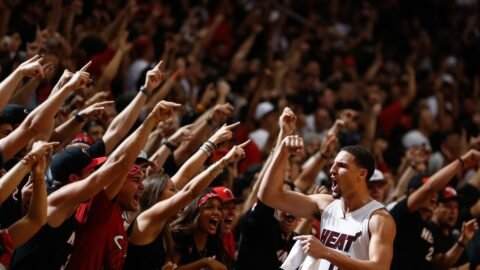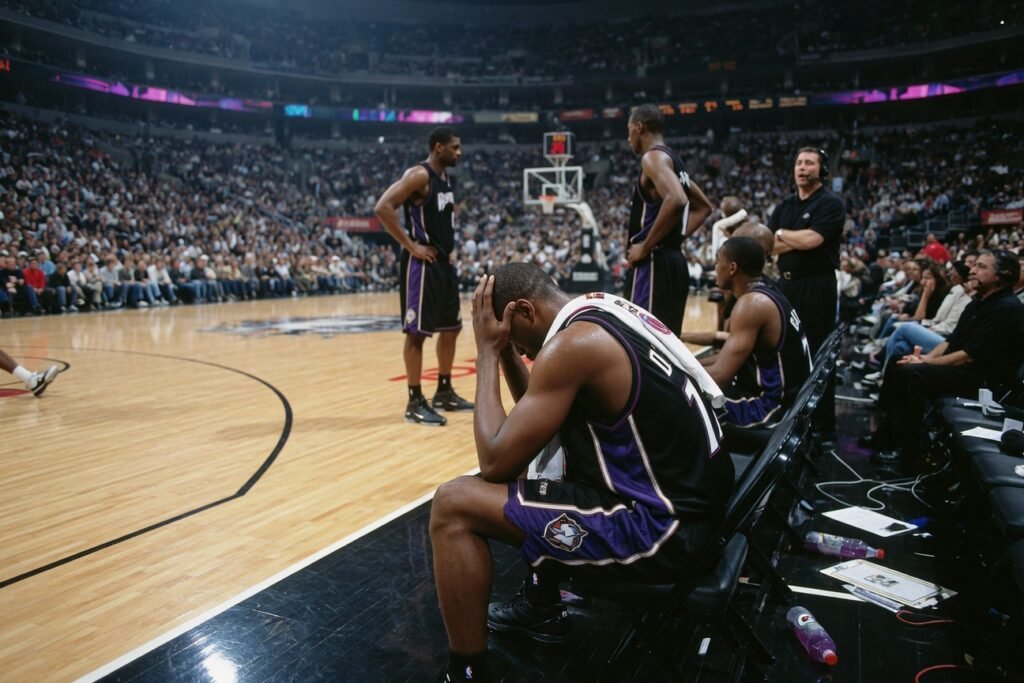
I have spent the last week replaying both of those Game 7 huddles in my head, the one from 1995 and the one from last week, and the more I line them up the clearer it becomes that the NBA is staring at the same cliff it faced thirty-one years ago. Victor Wembanyama just dragged a roster full of first-timers past Shai Gilgeous-Alexander and the Oklahoma City Thunder, and now the league has to figure out what the hell to do with a 7-foot-4 problem that shoots, passes, blocks, and refuses to touch sugar. I said it after the first round and I will say it again: this is not a novelty act. This is the start of something that will rearrange how front offices sleep at night.
Let me be direct. The veteran coach who called Wembanyama “Shaq” and then added that none of them know what the hell they are going to do to stop him was not exaggerating for effect. He was describing a problem set that has no precedent. Shaquille O’Neal in 1995 averaged 29.3 points and 11.4 rebounds while finishing second in MVP voting. Wembanyama posted 25 points, 11.5 rebounds, and 3.1 blocks in 64 games while finishing third. The raw production is close. The skill layer on top of it is not. O’Neal made zero threes and shot 54 percent from the line. Wembanyama has already made 152 threes this season and playoffs combined and is converting 84 percent of his free throws. That is not an incremental upgrade. That is a different species.
I watched Shaq’s 1995 Magic get swept by the sixth-seeded Rockets and I remember the exact moment Rudy Tomjanovich stood at the podium and said, “Don’t ever underestimate the heart of a champion.” Those words aged like milk for Orlando. O’Neal later admitted the team partied too hard between the conference finals and the Finals, and the lesson cost them a title they might have grabbed if they had stayed locked in. Wembanyama’s own words on the subject land differently. “I feel like I’m immune to the distractions like partying, alcohol, drugs,” he told The Ringer last year. “Why would I ever do that?” Then he knocked a sugary sports drink off a table before an interview and said, “Oh, hell no.” That is not the sound of a 21-year-old trying to sound mature. That is the sound of a player who has already decided what version of himself the league is going to get.
A rival general manager put it even more bluntly: “Of course people are going to compare him to Shaq but he’s actually Shaq 2.0. Because he takes care of his body and plays a modern game, shoots the 3 and can make free throws. Yeah, he’s our nightmare.” I have covered enough of these “next big thing” arrivals to know when the front-office class is genuinely rattled versus when they are just doing media rounds. This is rattled. The combination of size, mobility, shooting range, and obsessive recovery habits is the kind of package that breaks the old defensive templates. You cannot pack the paint the way teams once did against O’Neal because Wembanyama will pull the defense out to the logo. You cannot switch everything because the switch will leave a 7-foot-4 mismatch in space that most wings cannot handle. The only real answer is to hope the Spurs’ supporting cast is not ready for the moment, and that is a fragile strategy.
The health numbers matter more than the stat lines. O’Neal missed just four games across his first three seasons. Wembanyama has already missed 65. That is the one variable that could derail the entire timeline. If the Spurs cannot keep him on the floor for 70-plus games, the comparisons stop being about legacy and start being about what might have been. I have seen too many careers defined by the games that never happened. Wembanyama’s discipline with his body gives him a better shot at avoiding that fate than most, but the league will test it every night. One hard fall, one awkward landing, and the narrative shifts from “era-defining talent” to “injury concern.”
The Finals themselves will reveal whether the Spurs learned the 1995 lesson in real time. The 1995 Magic arrived at the championship series already exhausted from the conference finals and then treated the week like a victory lap. The Rockets punished them for it. Wembanyama’s group does not look like a team that will make the same mistake, but the opponent they will face will not be the same either. Whoever emerges from the other side will be battle-tested and desperate. The Spurs’ inexperience is real. Keldon Johnson, Stephon Castle, and Carter Bryant are not veterans who have been to multiple deep runs. They are riders on Wembanyama’s coattails for now. The question is how quickly they grow up when the lights get brighter and the physicality increases.
I keep coming back to the body-care detail because it separates the two timelines more than anything else. O’Neal was a physical force the league had never seen, but he played a style that punished his own joints. Wembanyama is playing a style that can be sustained longer if he stays obsessive about the details. That is why the rival GM called him Shaq 2.0 rather than Shaq’s equal. The upgrade is not just in the shooting and the free-throw shooting. It is in the refusal to repeat the off-court patterns that shortened O’Neal’s peak window. If Wembanyama stays on this track, the four titles Shaq eventually won could look like a floor rather than a ceiling.
The drama now is whether the rest of the roster can match the standard he is setting. Popovich has done this before with young cores, but the league moves faster now. The window to win before the cap and the luxury tax close in is shorter than it was in 1995. Every draft pick, every trade, every minute allocation has to accelerate the timeline. Wembanyama is already playing like the best player on the floor in the biggest moments. The supporting cast has to close the gap before the league figures out how to slow him down.
Victor Wembanyama is not waiting for the league to catch up. He is already playing the game the league will be forced to play in five years. The question is whether the Spurs can build a roster around him fast enough to turn this Finals appearance into the first of several. I have watched enough eras begin and end to know that the margin is razor thin. The 1995 Magic had the talent and lost the plot. This Spurs team has the talent and appears to have the discipline. If that combination holds, the rest of the NBA is in for a long stretch of nights where they look at the schedule and realize they have no answer.