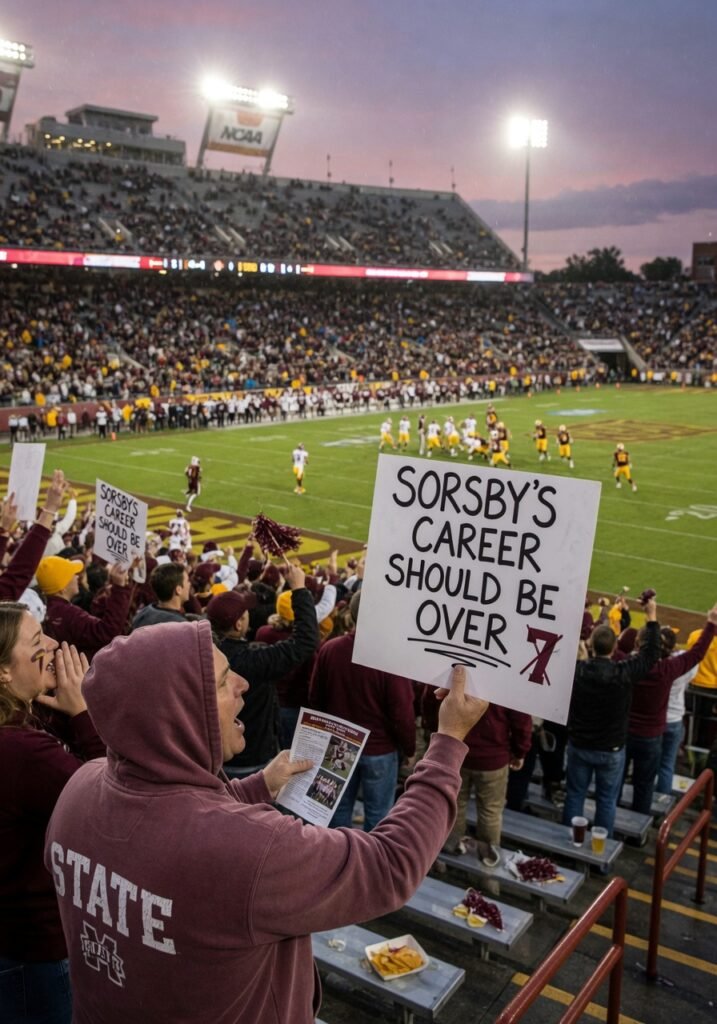
I read that NCAA brief late Friday night after the kids were finally asleep, the house quiet except for the fridge hum and my laptop screen lighting up the kitchen table the same way it did after those Jayhawks pieces and the Aaron Judge walk-off column landed clean. My stomach actually tightened reading the details on Brendan Sorsby. Not because the kid sought treatment, but because the NCAA got it exactly right when they said his college football career has come to an end. The bylaws aren’t suggestions. They’re the line that keeps the whole thing from turning into a casino floor where everyone knows the fix is in before kickoff.
Sorsby placed at least 2,900 bets totaling more than $30,000 while at Indiana alone, including 40 on Hoosiers games and parlay bets tied to Indiana basketball. The NCAA filing makes clear none of those involved games where he played or could have influenced outcomes, and there’s no evidence he used inside information or tried to manipulate results. That’s the part his attorneys lean on hardest. They frame it as a mental health disorder, an anxiety condition that manifested in compulsive gambling on predatory apps. Scott Tompsett’s letter calls it exactly that: “the high volume of Brendan’s gambling was a direct result of his mental health disorder.” I get why they’re pushing that angle. Treatment matters. A 35-day inpatient stay in Arizona shows some level of accountability on his end.
But the moment you start carving out exceptions for “I had a disorder so the rules don’t count,” you open the door to every future case where a player claims the same thing after betting on conference games or futures involving their own roster. The NCAA brief spells it out without hesitation: student-athletes face permanent loss of eligibility for wagering on any NCAA-sanctioned sport at their school. Sorsby did that across three stops—Indiana, Cincinnati, Texas Tech. The law enforcement tip that started this whole thing came from an online sportsbook in March. The NCAA didn’t drag its feet; they notified Texas Tech in April and made clear they wouldn’t pull him out of rehab for an interview. That detail undercuts the narrative that the governing body was insensitive or slow-rolled the process to hurt him.
My take hasn’t shifted since those earlier columns this month. When I wrote about UNC cruising past VCU and the way that roster was building something durable, I was riding the same streak where the Jayhawks flattening West Virginia felt like another redemption arc playing out on the court. Those pieces came from the same place this one does: the gut check after the box scores settle and you realize the story isn’t just the result, it’s what the precedent means for everyone else grinding through the same system. Sorsby’s case isn’t about one quarterback’s anxiety. It’s about whether the transfer portal era and the NIL money pouring in have already blurred the lines so much that betting on your own school’s teams becomes just another “personal issue” instead of a hard integrity violation.
Texas Tech’s side argues the investigation was delayed and that Sorsby deserves to play while seeking treatment. The NCAA counters that they’re not blocking him from football entirely—they’re saying his college eligibility is done. He can enter the supplemental draft or transfer somewhere outside NCAA oversight if a league will take him. That distinction feels important right now. The district court hearing Monday in Lubbock will decide if an injunction keeps him on the field this season. If the judge grants it, the NCAA becomes the first major league forced to let a player who bet on his own program’s games continue competing. That’s the stomach-punch line in the filing. Once that door cracks open, every enforcement action on gambling gets challenged the same way.
I keep coming back to the volume. Thousands of bets across multiple schools. Parlay wagers on basketball games at Indiana that included sides “in favor of players on the opposing team.” Even if no performance manipulation happened, the sheer scale shows someone who treated college sports like a daily fantasy slate. The mental health diagnosis came during treatment, after the violations were already logged. That timeline matters. It doesn’t erase the bets, and it doesn’t rewrite the bylaw that says eligibility ends when you cross that line.
The broader context here is the explosion of legal sports betting since 2018. Apps are everywhere. College kids have phones in their pockets during team meetings. Sorsby isn’t the first and won’t be the last to get pulled into it. But the NCAA’s position protects the integrity standard that still separates college from the pros on this specific issue. Pro leagues have their own gambling policies, and they suspend players who bet on their own games too. The difference is the NCAA is dealing with amateurs who are supposed to be students first. Letting Sorsby back on the field under an injunction would signal that the rules bend when the player has a good lawyer and a rehab stay documented.
I’ve watched enough of these stories play out to know how they usually end. The player claims victimhood, the school fights for eligibility to keep a starter, and the governing body gets painted as heartless. In this instance the filing shows the NCAA prioritized his treatment timeline and still reached the same conclusion the bylaws demand. Sorsby has options outside the NCAA. The supplemental draft exists for a reason. An NFL prospect with his profile can chase that path without the college uniform.
What this really exposes is how thin the guardrails have become once the portal and revenue sharing turned college football into a semi-pro league with academic paperwork attached. If the court sides with Sorsby, expect a wave of similar challenges. Every future gambling case will arrive with a mental health expert and a claim that enforcement staff was insensitive. The NCAA brief already anticipates that by documenting how they handled the rehab period. That level of detail suggests they’re ready for the argument to land exactly where it should: his college career is finished, full stop.
The physical reaction I had reading the numbers—2,900 bets, multiple schools, parlay involvement in other sports at the same institution—reminded me why these lines exist. It’s not about punishing someone for having a problem. It’s about protecting the thousands of games that don’t involve that player from the suspicion that the system tolerates it. I said in the recruiting classes column that the 2027 through 2029 cycles were already shifting under the weight of all these off-field variables. This case adds another layer. Kids coming in now will see whether the NCAA actually enforces its own rules or folds when the lawsuit hits the docket.
Sorsby deserves credit for getting help. That part isn’t debatable. But the bylaws don’t include a mental health carve-out that restores eligibility after betting on your school’s teams. The NCAA said it plainly in the filing: he is free to continue his playing career elsewhere. That “elsewhere” just can’t be inside the NCAA structure. The district court will decide if that boundary holds or if we watch the first crack in the major American sports leagues’ stance on this issue. Either way, the precedent set Monday will ripple further than one quarterback’s season.