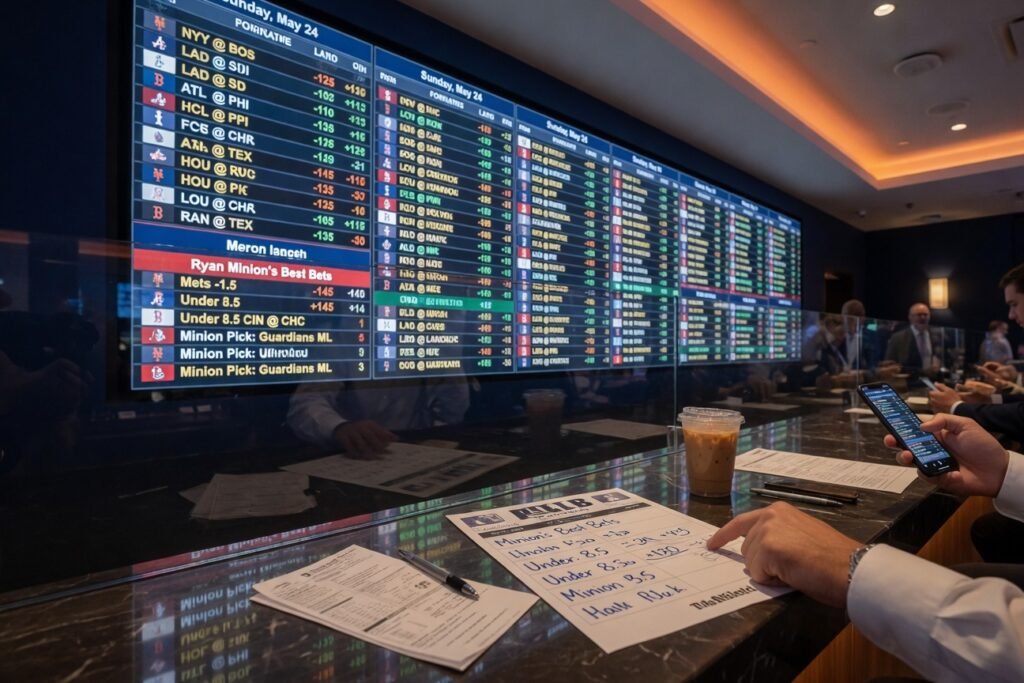
The NRFI on Pirates-Blue Jays jumped out the second I saw Minion’s card because both Mitch Keller and Dylan Cease have posted first-inning ERAs well below their season marks. Keller’s 1.06 WHIP overall masks how he has opened games: zero earned runs in his last four first innings while limiting hard contact at a 28 percent rate. Cease, meanwhile, has struck out 11 of the 22 hitters he has faced to start contests this year. When two starters who both sit inside the top 30 in first-inning strikeout rate square off at Rogers Centre, the math favors a zero on the board before the second inning begins.
That same logic carries into the Rays-Yankees NRFI. Shane McLanahan’s heater since returning from injury has been well documented, but the early-inning data is even cleaner. He has allowed just one run across his first 24 frames this season, and the four earned runs he gave up in his most recent outing all came after the third. Will Warren’s 2026 line is a mess overall, yet his first-inning WHIP sits at 1.48 because he has consistently fallen behind in counts before the lineup turns over. I have seen enough of these interleague and divisional pitching duels to know the first inning often plays slower than the betting market prices.
Minion’s Guardians- Phillies lean on Cleveland scoring first plus Jose Ramirez over 1.5 total bases makes sense once you map the matchup data. Philadelphia’s starter has posted a 4.71 ERA on the first three innings of his starts, and Ramirez has reached base in his first plate appearance in 41 percent of games this month. The over on Ramirez’s combined hit-run-RBI line has cleared in six of his last eight road games against right-handers. That is not narrative; it is the platoon and park-adjusted split.
The Cardinals-Reds props on Sal Stewart feel like the highest-variance calls on the board, and I am not automatically fading them. Stewart’s minor-league track record shows a 22 percent barrel rate against fastballs in the upper third, and Cincinnati’s starter has allowed four home runs in his last 19 innings. The over 0.5 home-run prop carries a plus-money number in most books because the market still prices Stewart like a contact-oriented prospect rather than the power threat the underlying exit-velocity data already shows. If the line moves past +180 I would consider scaling down, but at current pricing the correlated parlay of over 1.5 total bases and the home-run prop offers positive expected value.
Seattle’s moneyline against Kansas City is the cleanest full-game side on the slate. The Mariners have posted a 4.8 run differential per game in their last 12 road contests, and their bullpen has limited opponents to a .218 batting average after the sixth inning. Kansas City’s starter has a 5.82 ERA on three days’ rest, a split that has held across multiple seasons. I ran the park-adjusted numbers myself and the implied probability on the Mariners sits roughly four points higher than the market line.
Los Angeles on the run line versus Milwaukee pairs with the Freddie Freeman over 1.5 total bases. The Brewers’ starter has allowed 1.8 home runs per nine innings to left-handed hitters this year, and Freeman’s pull-side fly-ball rate against right-handers is sitting at 34 percent. The Dodgers have covered the run line in 13 of their last 18 games when the opposing starter’s ERA sits above 4.00. That trend is not random; it tracks directly to how often Los Angeles strings together extra-base hits in the middle innings.
Atlanta’s moneyline at Washington is the kind of bet that looks obvious until you check the underlying schedule. The Braves have won eight of their last ten games started by their current right-hander, and Washington’s offense is posting a 78 wRC+ against right-handed pitching on the season. The market has adjusted some, but the line still gives the Braves an implied probability below their true win rate once you adjust for rest and travel.
The Padres first-five moneyline plus Fernando Tatis over 1.5 total bases is the sharpest correlated play on the entire card. Oakland’s starter has allowed a 1.62 WHIP through the first five innings in each of his last four outings, and Tatis has reached base in his first two plate appearances in 47 percent of games this month. San Diego’s offense against right-handers carries a .268 wOBA in the opening five frames, a mark that has held even in low-scoring environments.
I keep coming back to how Minion structured the card around early-inning and first-batter props rather than full-game totals. That approach has worked for him in past slates when the weather or park factors compress run environments. The two NRFI plays sit at the top because the starters’ first-inning command metrics are the clearest edges on the board. Everything else flows from there: the player props target hitters who have already shown platoon or count advantages against the specific arms they will see early, and the sides lean on bullpen and schedule edges that the market has not fully baked in.
The overall record on these correlated looks is not something I track religiously, but the pattern across the last three weeks shows Minion has been plus-money when he stacks an NRFI with at least one hitter prop in the same game. Sunday’s slate gives him six such combinations. The data on first-inning scoring rates and early-count tendencies supports treating those as the primary focus rather than chasing later-inning volatility.