Three hundred and nineteen days have passed since December 14, 2025, the afternoon two of the biggest stars in professional football saw their left knees buckle within two and a half hours of each other. Patrick Mahomes hyperextended his left knee on a scramble in Kansas City, had surgery the very next day, walked onto the training camp practice field fully cleared on July 24, and has already stacked six wins against a single loss for the Chiefs. Less than three hours after Mahomes went down that December afternoon, Micah Parsons stumbled without contact in Denver, grabbed his left knee, and disappeared onto a physically unable to perform list where he still sits on October 29.
Green Bay Packers general manager Brian Gutekunst stood in front of microphones on September 1 and sold the public a fantasy about how quickly his pass rusher would return. Gutekunst claimed that once Parsons became eligible to come off the PUP list after Week 4, “We’re going to be pretty close,” and even floated the idea that the league’s new rule allowing PUP players to practice after Week 2 could be in play. That public optimism collapsed against medical reality the moment Parsons revealed this week to ESPN that surgeon Dr. Neal ElAttrache performed a full meniscus repair rather than a simple trim alongside his ACL reconstruction.
I look at that 304-day gap since Parsons finally went under the knife two weeks after the injury, and the outrage directed at his timeline misses the entire biomechanical truth of his position. Comparing a pocket quarterback’s rehab to an elite edge rusher’s structural rebuild is an act of football negligence.
The Meniscus Repair Changed Every Piece of the Math
Parsons helped fuel the unrealistic expectations himself because his competitive ego refuses to accept mortal limitations. In January, less than a month removed from the operating table, he claimed he could return within the first four weeks of the season, and early in training camp he called a Week 6 return against his former team, the Dallas Cowboys, “very realistic.” Both target dates came and went without Parsons taking a single snap.
The reason lies in the cartilage, and a source familiar with Parsons’ recovery laid out the reality that a November return was always the actual target. “It was the only thing that made sense knowing he wanted to be 100%,” the source told ESPN. “When he wasn’t going to practice at all in training camp, it solidified where he was at in his recovery process.”
When a surgeon trims a torn meniscus, the athlete can bear weight and push range of motion almost immediately; when Dr. ElAttrache stitches a meniscus back together in a full repair, the early weeks of rehab are locked down to protect the sutures before true strength work can even begin. “That makes a huge difference,” said Dr. Sharif Tabbah, who runs Alkemē Sports Rx in South Florida. Add the two weeks Parsons waited before having surgery in the first place, and the calendar was never going to match Mahomes’ July 24 clearance.
Edge Rushers Live on Angles That Punish Reconstructed Knees
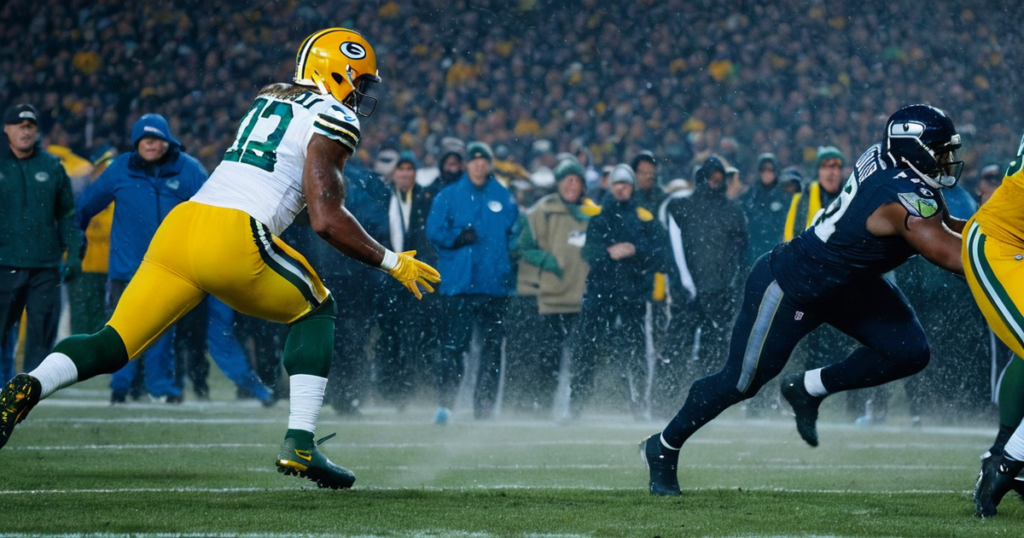
My biggest issue with the impatience around Green Bay is that people treat all football movement as equal. Mahomes is a generational talent, yet his job allows him to operate inside a pocket, control his plant angles, and protect himself with a slide when the rush closes in. Parsons makes his living winning the edge at an aggressive tilt, absorbing violent chip blocks from tight ends while his left knee absorbs every pound of torque required to bend the corner around a much bigger offensive tackle.
Send an edge rusher out there at 85 percent explosion, and offensive coordinators will immediately isolate him with double-teams and run straight at his outside shoulder until his pass-rush win rate craters. “The fans always want to know, ‘Why is it taking so long?'” said Dr. Michael J. Alaia, a sports orthopedic surgeon at NYU Langone Health. “When you do enough ACLs, you just know the variability of the recovery can be so vast, and every patient brings their own set of physical and psychological needs.”
Green Bay’s medical staff also operates with one of the most conservative ACL protocols in the sport, almost never putting a player back on the practice field before the nine-month mark post-surgery. Tight end Tucker Kraft needed 271 days after his November 2 right ACL tear to return to practice… eight and a half months after surgery… before playing in Week 1, and receiver Christian Watson practiced 274 days after tearing his right ACL last year and played 20 days later. Neither of those timelines carried the added weight of a full meniscus repair on a player whose entire legacy depends on violent lateral burst… and rushing Parsons back a month early to satisfy talk-radio noise would have been malpractice.
Matt LaFleur finally cracked the door open this week by noting there is a chance Parsons starts practicing next week, right as the calendar flips to November. Once Green Bay officially opens the practice window following Sunday’s game against the Carolina Panthers, the clock starts ticking on whether Parsons still possesses the first-step violence that separates a Hall of Fame pass rusher from just another guy in a knee brace.