Allowing a franchise quarterback to board a transatlantic flight and take full-speed practice reps with a diagnosed blood clot demands a real medical inquest, not a feel-good story about a Wednesday visit to the facility. On Wednesday, 28-year-old Philadelphia Eagles quarterback Jalen Hurts walked back into the team facility marking the first time some players had seen him since he landed on injured reserve on October 17, sitting quietly through the main team meeting and additional smaller meetings. While anonymous sources quickly fed ESPN’s Tim McManus the line that his silent presence offered a “morale boost for some,” my focus stays locked on the timeline that put Hurts on blood thinners for the rest of the 2026 season.
Everyone in football wants Hurts healthy, and seeing him clinically stable after a terrifying diagnosis is the only news that truly matters for his future. Yet the way Philadelphia handled both the week leading up to his injured reserve placement and the roster collapse that followed exposes an organization operating without a coherent plan. When head coach Nick Sirianni dodged a direct question on Wednesday about whether Hurts was even inside the building, it captured the exact evasiveness that has defined this six-game losing streak.
“I’ve talked to him and am in constant communication with him and know he’s resting and recovering,” Sirianni told reporters on Wednesday, via ESPN. “I miss him like crazy. But nothing new on that front. I know he’s resting and recovering, and we’re all still praying for him and hoping for a speedy recovery.”
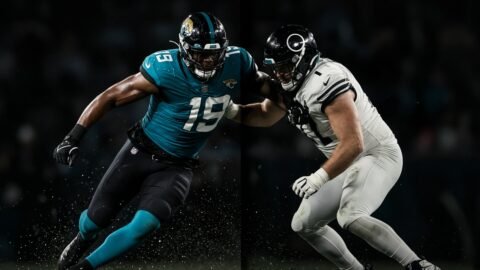
I respect a coach protecting a player’s privacy, especially when that player is dealing with anticoagulation therapy that bars him from any physical contact. What I refuse to gloss over is the sequence of events the team itself admitted to before Hurts was shut down. According to the primary reporting, Hurts was originally diagnosed with a superficial blood clot in London before Philadelphia’s Week 5 loss to the Jacksonville Jaguars.
The Transatlantic Timeline Demands Hard Questions
Look closely at what happened after that initial diagnosis overseas. Hurts played in the game against Jacksonville, boarded a long-haul flight back across the Atlantic Ocean with the roster, and practiced in full without a single restriction the following Wednesday. Only when a follow-up ultrasound that Wednesday evening revealed that the clot had moved did the alarms finally halt his on-field work.
Two days after placing him on injured reserve on October 17, the Eagles and Hurts’ agent, Nicole Lynn, issued a joint statement confirming the severity of the escalation: “After further testing and monitoring, the current diagnosis is a deep vein thrombosis, as well as bilateral pulmonary emboli. He is clinically stable and has no significant functional limitations.”
Philadelphia’s training staff and medical decision-makers obviously believed a superficial clot carried low enough risk to clear him for four quarters of live pass rush, cabin altitude changes, and a full Wednesday practice script. Even granting the team’s premise that the initial diagnosis appeared minor in London, clearing a 28-year-old cornerstone player for contact and international air travel before a follow-up ultrasound confirmed stability looks reckless in hindsight. A blood clot in the leg that migrates into bilateral pulmonary emboli in the lungs is a life-threatening vascular event. We still have heard zero public accountability regarding why a player with a known clot was taking snaps at all.
Philadelphia Built a Roster With Zero Insurance
While Hurts focuses on his health, the on-field product has completely cratered because the front office treated the backup quarterback spot like an afterthought. Schematic survival without a dual-threat star requires either a high-floor rhythm passer who can execute quick-game RPO reads or a heavy play-action ground attack that hides the backup from third-and-long dropbacks. Philadelphia had neither ready.
Tanner McKee stepped into the starting lineup and went 0-3 while throwing just two touchdowns against two interceptions, and the offense never found any real rhythm. Instead of adjusting the protection rules and run-game geometry to survive with a pocket passer, Sirianni watched the offense stall out until the staff finally pulled the plug this week. Now, carrying a six-game losing streak into Sunday’s home matchup against the division-leading New York Giants, the Eagles are handing the football to Joe Milton… a player they signed off the Dallas Cowboys practice squad in mid-October.
Think about the organizational malpractice required to go from Super Bowl contention to starting a recently signed practice-squad pickup against your division rival. Leaning on a quiet Wednesday meeting visit from an injured star to spark a locker room shows just how empty the coaching staff’s own answers have become. With the Giants arriving on Sunday to bury Philadelphia’s season for good, how long can Sirianni hide behind well-wishes before ownership asks why this roster collapsed the second Hurts left the field?