I was sitting at the kitchen table again after the kids finally crashed, the fridge humming its low, steady note in the dark like it always does when the swings miss. Last week’s takes on the D1Baseball assistant coach carousel and Koa Peat locking into the draft felt like watching a slow roller that never quite reached the bag. I called the Sorsby situation right when the NCAA brief dropped, but the rest of the ledger sat red. That bruise is still there. So tonight I went deeper into the tape on Katie Stewart’s three-run blast off Jordy Frahm and realized this is the swing that could flip the whole damn month.
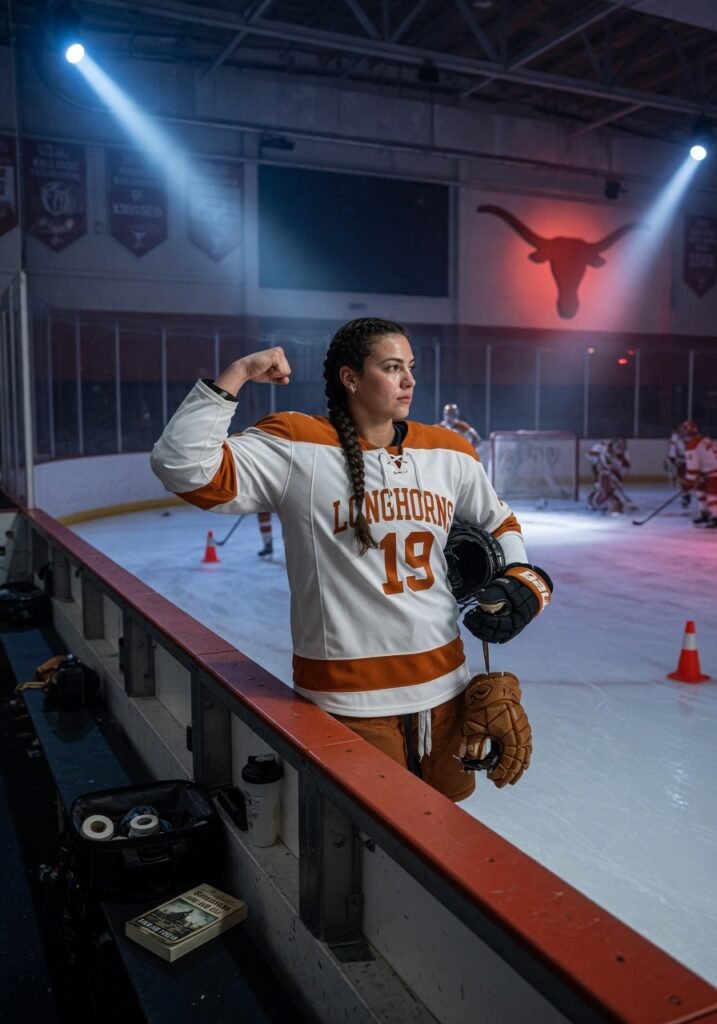
The lore around Stewart started in a Chicago suburb with whiffle ball, the kind where neighborhood boys learn quick that some girls don’t just connect—they launch. Her sister Danielle put it plain: “She would hit moon shots compared to the rest of us.” That detail sat with me longer than the box score. It’s not just raw power; it’s the early proof that her frame was built different, the kind of strength that shows up before anyone knows what to call it. When her father Lance, all 260 pounds at the time, climbed on top of her at thirteen and dared her to push up from the floor with no knees, she did it without effort. “She literally pushed me up with no effort,” he said. I’ve watched enough athletes fake their way through origin stories to know when the detail rings true. That pushup wasn’t a party trick. It was the first receipt that her body could handle loads most grown men couldn’t.
Texas coach Mike White called her “strong as an ox” after the Nebraska game, and then added the part that matters more than the nickname. Stewart didn’t even square the ball up clean—she got it off the handle and still cleared the fence for the game-clinching three-run shot. White noted her home runs “can be prodigious” and joked about damage to the building behind left field at McCombs Field. Exit velocity that high doesn’t come from mechanics alone. It comes from years of a body that treats resistance like background noise. I keep coming back to that because college softball’s power arms have evolved fast, yet Stewart’s 28 homers already sit as a Texas record. She’s not just clearing fences; she’s doing it while leading the SEC in batting average at .424 and driving in 75 runs. That’s not a power hitter’s slash line. That’s an all-around middle-of-the-order force who happens to hit the ball farther than anyone else in the lineup.
The approach piece is what separates this from pure strength porn. Stewart admitted she can get in her head sometimes. Against Frahm, who had thrown five hitless innings, Stewart focused on keeping her heart rate down and staying present pitch by pitch. “Be present one pitch at a time, knowing I was going to get something I could hit, knowing I had to get on it,” she said. She got there. That’s the maturation I didn’t fully appreciate until I rewatched the at-bat. Jaycie Nichols and Kayden Henry on base, two strikes possibly looming, and she didn’t overswing. She stayed short enough to handle the handle contact and still produced enough backspin to carry it out. The dad in me sees this differently now that my own kids are old enough to swing plastic bats in the yard. Strength without the mental reset is just loud outs. Stewart is showing both.
Danielle faced her sister earlier this season and watched the result from a Buffalo Wild Wings in Illinois on Sunday. She threw a curveball off the plate and “boom, it was gone.” Danielle didn’t say it out loud that night because she didn’t want to jinx anything, but she had the feeling her sister would destroy the ball. That sibling dynamic adds another layer. This isn’t some anonymous power threat. It’s family watching the same swing they grew up with now deciding whether the defending national champions return to the championship series. Texas needs to beat Tennessee twice on Monday. Stewart’s presence in the middle of that order changes the math for every pitcher who has to face her with runners on.
I’ve tracked enough championship runs to know when a player shoulders the load in real time. White said Stewart has “really taken it onto herself to shoulder the load” as a leader and hitter. That growth from freshman All-American in 2024 to SEC Player of the Year this season tracks with the physical proof. The same kid who pushed 260 pounds off her chest at thirteen is now the one teams game-plan around with late-inning shifts and careful pitch sequencing. Her 28 homers aren’t just volume; they’re the kind that move the Longhorns one step closer to a repeat. If she continues to post exit velocities that damage infrastructure, opposing coaches will have to decide whether to pitch around her and load the bases for the hitters behind her. That’s the fear factor White was hinting at.
The physical feeling of watching her round the bases after that sixth-inning blast is the same one I get when a prediction finally lands after a cold streak. Chest loosens. The fridge hum stops feeling like background noise and starts sounding like white noise you can actually sleep through. I’ve been wrong enough this month to know the difference between hoping a story breaks your way and watching the evidence stack up in real time. Stewart’s story stacks. The whiffle ball moons, the impossible pushup, the handle homer that still traveled, the measured approach against the best pitcher on the other side—they all point to the same conclusion. She’s not just strong. She’s the player whose strength forces everyone else to adjust.
If Texas gets back to the title series, it will trace directly to moments like this. Stewart doesn’t need to hit every ball flush. As her father said, she just needs enough of it. The rest takes care of itself. I’m done hedging on that. The slump ends when you stop swinging for contact and start swinging for the proof that’s been sitting in front of you the whole time. Katie Stewart has been delivering that proof since she was thirteen. The rest of the country is just catching up.