Earl Spencer would like you to picture the future king of England, hours after Diana’s death, sounding like a man who just cleared the Powerball. Not stunned. Not shattered. “Giddily elated – like a lottery winner.” That is the line he put in his new memoir, and it is already doing exactly what it was built to do: travel faster than verification ever could.
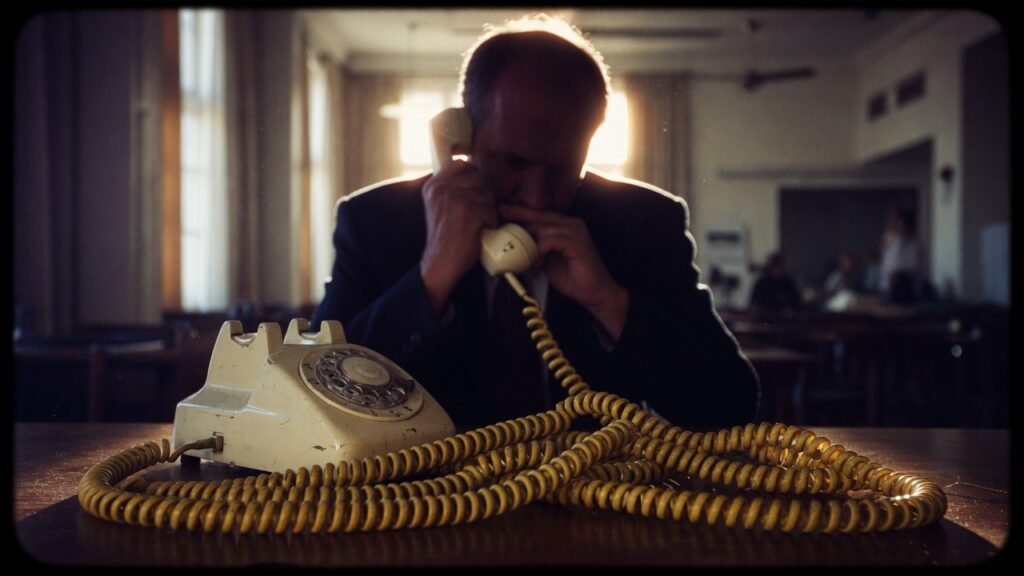
The book is *Swan Song: Diana, My Sister*, due out September 22. The Daily Mail is serializing it, which means the most combustible pages hit the bloodstream first. Spencer was in Cape Town when the crash news reached him on August 31, 1997. The phone kept ringing. One of the callers was then-Prince Charles. Spencer writes that every other voice on the line was barely functional with shock. Charles, he says, was different. “Unlike my other callers, who were stunned, barely able to articulate their condolences and offers of help, he sounded giddily elated – like a lottery winner, I remember thinking at the time.” He adds that Charles told him he had already informed William and Harry, then 15 and 12, in their bedrooms at Balmoral that morning, and that the whole exchange “sounded strangely matter-of-fact, given the enormity of the disaster.”
Stay with me here. This is not a court filing. It is a brother’s recollection nearly three decades later, offered without a second witness and timed for maximum serialization heat. Buckingham Palace did not pretend otherwise. Their statement landed the day before the lottery-winner extract: His Majesty is “mindful that the pain of fraternal grief can cloud reason, affect judgment and colour memory in ways others do not recognise, even many years after such a loss.” That is palace-speak for we are not litigating a 1997 phone call in 2026, and also for we think the memory is doing overtime.
The Screenplay Version of Grief
Spencer’s larger thesis is uglier and more cinematic. Looking back, he writes, “I suspect the prince’s first reaction must have been to think more of how this event might free him to marry the woman he loved, rather than appreciating the loss of one he did not.” Camilla enters the frame on schedule. The divorce had been final for a year. The marriage to Camilla would not happen until 2005. Spencer still wants you to feel the causal click: Diana dies, obstacle clears, champagne energy on the line. He layers on the funeral logistics too. He believes the palace pushed for William and Harry to walk behind the coffin because Charles was “adamant” he would walk and officials feared the public might shout abuse at him. Put the boys in the shot and the insults stay pocketed. It is a cold piece of stage management if true, and pure speculation if not. Either way it reads like a scene note from a prestige limited series that already knows its villain.
Now, you might be thinking this is just family score-settling dressed as corrective history. Look, I get it. Spencer has said he wrote the book to fix “untruths” about his sister, the same impulse that powered his funeral eulogy in 1997. Diana was 36. The marriage had been a public slow-motion wreck. He is allowed to be angry forever. The problem is the form. Memoirs that arrive almost thirty years after the central trauma and lead with the most lurid private phone-call detail are not primarily acts of scholarship. They are acts of narrative control. They ask the reader to accept tone of voice as evidence. Tone of voice does not archive well. What survives is the quote that sells.
Spencer also floats that some inside the palace were “relieved – indeed pleased.” He revisits the old waist-squeezing anecdote that supposedly helped shrink Diana from a 29-inch waist to 23.5 inches between engagement and wedding. He is convinced she had ADHD and Rejection Sensitive Dysphoria, that she drove herself to Beachy Head more than once and stopped only because of the boys. These are intimate, devastating claims. They are also untestable at this distance. The book treats them as settled character work. That is how committee scripts work too: load the protagonist with every possible wound so the audience never has to wonder who the monster is.
Soap Opera That Refuses the Finale
The timing is pure network programming. Harry was back in London for the Invictus Spirit awards the same day the fresh extracts dropped. He gave a speech about a 2008 flight home from Afghanistan with injured servicemen and a coffin. He did not address his uncle’s book. Palace and Harry’s people both declined fresh comment on the new pages. King Charles kept his public schedule. The machine does not pause for another chapter of the Diana industrial complex; it simply absorbs the noise and keeps walking.
This is the part that should make any serious storyteller itch. Great true-crime and royal histories earn their cruelty with contemporaneous documents, multiple sources, and the humility to mark what cannot be known. Spencer’s extracts do the opposite. They deliver the cleanest possible antagonist line (“lottery winner,” “we’ll forget her soon enough” from the earlier extract) and dare you to demand a tape. The Daily Mail gets its serial. The palace gets its grief-clouded-memory card. The public gets another round of the longest-running soap opera in the English-speaking world, now streaming in memoir form. Four Dutch copies of the book were even stolen from a lorry before publication, because of course they were. The meta-plot refuses to quit.
I walked into this expecting the usual royal grief porn and walked out mostly tired of the craft. The lottery-winner image is too perfect. It is the kind of dialogue a sharp showrunner would cut in the room for being on-the-nose. Real human reactions after sudden death are messier, quieter, and far less useful for a front page. Spencer remembers it that way. The palace says memory lies. Neither side can prove the call. What remains is the appetite that keeps buying the next volume of a story whose central figure has been dead for almost thirty years. Diana’s actual life and death were already operatic enough. Turning the aftermath into another round of unverifiable villain monologues does not honor her. It just keeps the franchise open.
The book is 384 pages. The claims are Spencer’s alone. The public will decide whether a brother’s thirty-year-old phone-call memory is history or content. History usually arrives with receipts. Content arrives with a serialization date.