Connecticut just ordered nine prediction market platforms to shut down sports contracts for its residents, and I am telling you the industry’s favorite loophole just walked into a courtroom it cannot spin its way out of.
Polymarket. Coinbase. Crypto.com. Robinhood. ProphetX. Novig. Webull. Gemini. Underdog Predict. On September 10, Governor Ned Lamont and DCP Commissioner Bryan T. Cafferelli put every one of those names on a cease-and-desist list. Advertising, offering, promoting, or making sports event contracts available to Connecticut residents stops now, full stop. Nearly thirty subpoenas went out the same week to payment processors, app stores, gaming service licensees, and media outlets that may hold records of how this volume moved. Kalshi stayed off the September list only because it is already buried in separate litigation after a December 2025 order and an August 2026 federal ruling that gutted its core defense.
I keep coming back to what Judge Vernon D. Oliver actually held. Sports-event contracts are not swaps under the Commodity Exchange Act. CFTC exclusive jurisdiction does not attach. Under state law, they are illegal unlicensed gambling. That finding is the spine of everything Connecticut is doing. Kalshi’s preliminary injunction bid failed. Stay requests pending appeal failed. The state then sued in Hartford Superior Court for an injunction, disgorgement, restitution, and civil penalties. Platforms can chant preemption on social media all they want. The docket is writing a different story.
Governor Ned Lamont did not leave much room for the branding exercise. “Prediction markets have branded themselves as legal and safe, but the reality is they are not adhering to Connecticut’s consumer protection standards and gaming laws, and they are not being truthful when they tell consumers that their activities are legal,” he said in the official September 10 release. He added the line that should sit on every compliance desk in the sector: “When we legalized sports wagering in 2021, the goal was to create a safe, responsibly regulated market for Connecticut consumers, not to open a free-for-all.”
Three Licensed Books. Forty Billion on the Side
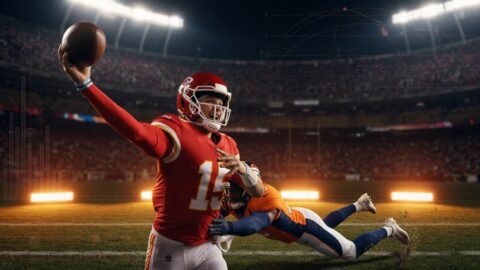
Connecticut already built the market it wants. DraftKings at Foxwoods. FanDuel at Mohegan Sun. Fanatics through the Connecticut Lottery. Legal age is twenty-one. Those are the rails. Prediction markets ran around them while sports contracts made up 80 to 90 percent of Kalshi’s listings and revenue, according to the earlier court findings. The American Gaming Association estimates $40 billion will be wagered on the NFL through prediction markets this year. On the first day of the 2026 college football season, one platform alone reported nearly $250 million in college football trading volume. That is not a niche experiment. That is a parallel sports book with a commodities costume.
I am not confused about why bettors liked the product. Age gates felt softer. Interfaces felt cleaner. Liquidity on certain props looked sharp. None of that rewrites the statute. Robinhood later intervened in the related CFTC fight against Connecticut and called the cease-and-desist an “escalating threat.” The company is not wrong about the temperature. It is wrong if it thinks the threat is theoretical. Sports markets remained available on some platforms into mid-September amid the litigation, which tells you how contested compliance still looks on the ground. Anyone sitting on open Connecticut exposure should treat the withdrawal language in those orders as operational, not ceremonial.
The Preemption Defense Is Running Out of Runway
The operators’ entire theory hangs on federal commodities law swallowing state gaming power. Connecticut answered with Unfair Trade Practices Act exposure, gaming statutes, nine orders, and a federal judge who already rejected the swap characterization. Other states are watching the Second Circuit and the path toward SCOTUS. Until a higher court lands a different holding, every sports event contract pushed into Connecticut is running against a live cease-and-desist and a ruling that already labeled the product illegal gambling.
I do not need a morality lecture to see the handle math. If prediction markets lose Connecticut and copycat orders follow, the liquidity that made those contracts feel efficient thins out. Regulated books claw back volume. Tax leakage slows. Pricing on NFL sides and college totals that lived inside prediction-market interfaces starts carrying legal risk as a line item, not a footnote. The smart money is not arguing philosophy on X. It is watching which platforms actually geo-fence, which ones keep serving, and which ones blink first when civil penalties and criminal gaming exposure stop being abstract.
Lamont framed the consumer stakes around young people, student athletes, and addiction risk. I frame the betting stakes around legacy of the product itself. A market that survives only while the costume holds is a market priced for a bad day in court. Connecticut just scheduled that day. Nine platforms. Nearly thirty subpoenas. Forty billion dollars in projected NFL prediction-market handle hanging over a product a federal judge already refused to protect. The invoice is no longer theoretical.