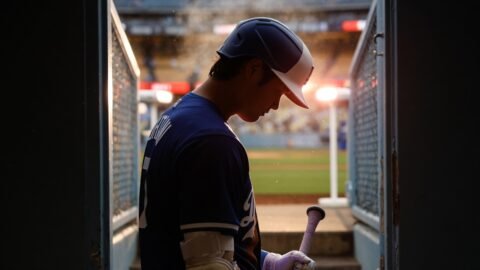
Merrill Kelly left the mound in the sixth inning against the Dodgers with cramping in his right leg, and I am treating that exit like a siren, not a shrug. This is not a soft update from the trainer’s room. This is a starter’s body refusing to finish the job in a game that already carries weight in a brutal division race.
I watched the sequence the way I track a pick-and-roll coverage breakdown. Kelly was still in the fight, still dealing, and then the right leg locked. Cramping does not care about your pitch count narrative or your clubhouse toughness speech. It shuts the motor down mid-rep. In August baseball, especially in desert heat against a lineup that punishes every leftover pitch, that is a mechanical failure with roster consequences.
Cramping Is the Body Filing a Formal Complaint
I do not buy the casual “he’ll be fine tomorrow” reflex that always follows these exits. Cramping in the sixth is the system telling you hydration, workload, or recovery is already behind the curve. Pitchers do not suddenly seize up because the script needed drama. They seize up when the legs stop supporting the delivery, the front side collapses a fraction, and the command window closes. That is scheme-level stuff. The lower half is the foundation for every arm slot and release point. When it goes, the outing is over whether the manager wants it or not.
Arizona cannot afford polite optimism here. Kelly is a rotation piece who eats innings and keeps the bullpen from burning through high-leverage arms before the seventh. Pull him early against Los Angeles and you hand the middle innings to a relief corps that already lives on the edge. One cramp becomes three extra high-stress outs for someone else. That is how September arms get cooked in August.
The Dodgers do not need extra help. They punish soft contact and expand the zone on tired stuff. Removing your starter mid-game against that club is not just a medical note. It is a strategic concession that shifts the entire leverage map for the night and the series.
The Contender Tax Just Came Due
I keep coming back to how the trade deadline sorted this league into two futures. Contenders paid real cost for October equity. Everyone else got a receipt. Arizona sat on the side that still believes October is live. That belief only works if the starters you already own stay on the mound. A right-leg cramp in the sixth is the exact kind of soft-tissue warning that turns a five-man rotation into a four-man scramble with a long man eating starts he should not see.
I am not diagnosing a long-term injury from one exit. I am reading the mechanism. Cramping at this stage of the calendar is rarely isolated. It tracks with accumulated stress, travel, heat, and the quiet decision to push a guy one more inning too often in June and July. Clubs that ignore those signals start stacking short outings. Then the bullpen multiplies its own workload. Then October arrives with arms that have already thrown their hardest pitches in meaningless August innings.
The D-backs’ margin was already thin. Every club in the National League West is living on that same edge. When your starter leaves with the leg locking up, you do not get to pretend the standings will wait for the MRI to clear. You either stabilize the rotation quickly or you watch the wild-card math start working against you in real time.
I want the update that says it was pure cramping, fluids fixed it, and he is lined up for his next turn. Until that update lands with actual clarity, I am treating this as a live problem. Arizona’s path does not run through moral victories or “he battled.” It runs through healthy starters finishing what they start against clubs built to end seasons. Kelly’s right leg just put that path on notice.