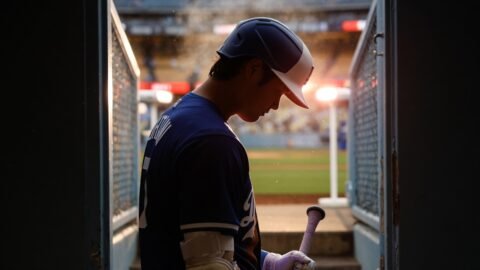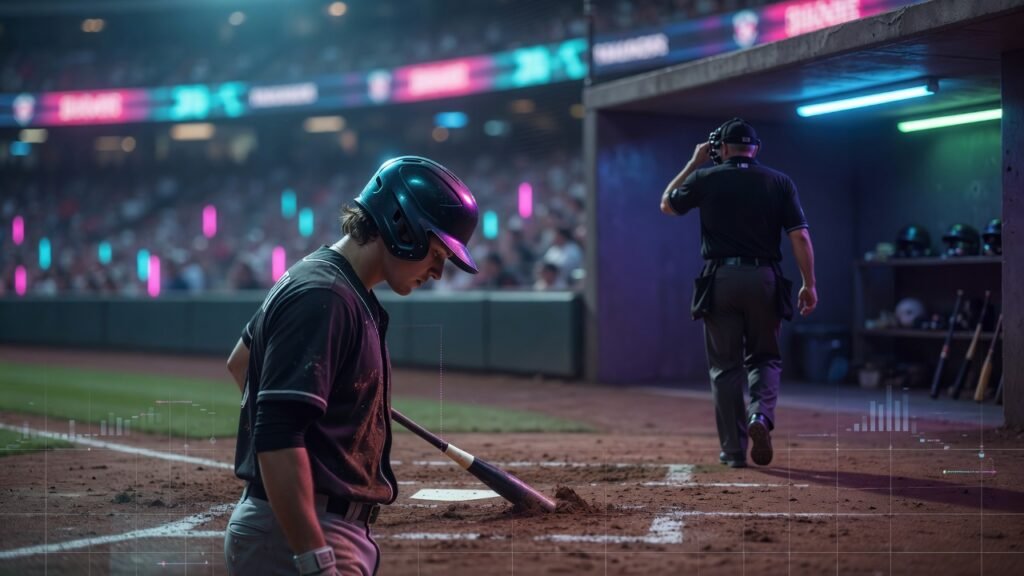
José Caballero stared at the dirt until the clock hit eight, and Major League Baseball finally decided the act was over. On Wednesday in the Bronx, plate umpire Quinn Wolcott hit him with an automatic strike for it, no warning, mid-at-bat against Carmen Mlodzinski with a runner on and the Yankees already trailing. Hitting coach James Rowson got run. Caballero took a called third strike after a 2½-minute delay. The whole mess was the product of a deliberate choice by the league office after benches cleared two nights earlier.
I watched the sequence and the hot-mic fallout. This was not a sudden moral awakening. It was pest control with a rulebook citation.
Caballero’s routine is simple and repeatable. He steps in, looks down, and waits until the last legal moment to raise his head and engage the pitcher. Batters must be alert with at least eight seconds left on a clock that runs 15 seconds with the bases empty and 18 with runners. Pitchers who start early risk a ball. Hitters who dawdle risk a strike. Caballero has lived in that gray strip, forcing pitchers to hold or risk the violation themselves. Boone once hated it from the other dugout. Now he manages it. “He’s one of those guys I would yell at from the dugout,” Boone said. “He was a pest and I didn’t like it. Now I like him because he’s a good player and he’s on our side.”
That pest label is the entire point.
Looking Down Is the Circumvention
MLB’s Pace of Game Procedures are explicit: “Conduct by batters designed to deceive a pitcher into beginning their windup or coming to the set position in violation of these regulations shall be considered circumvention.” Wolcott put it without poetry. “He’s not allowed to do an inordinate amount of time looking down, trying to get the pitcher to cause a violation. There’s no other hitter that gets in the box, takes the amount of the time that Caballero does while looking down, not making eye contact with the pitcher. Obviously it’s caused a lot of problems in the past. It’s not going to be allowed anymore.”
Crew chief Adrian Johnson confirmed the instruction came straight from the league after Monday’s skirmish with Dennis Santana. “It’s not allowed anymore. It was the cause of a bench-clearing situation on Monday night. Major League Baseball stepped in, and they wanted enforced. We were instructed not to warn him. We were instructed to violate him.”
Caballero rejects the deception frame. “I don’t know, maybe my English is so bad that I don’t understand, but deceiving kind of means that you’re trying to trick someone and I’m not trying to trick someone because I do the same thing over and over. You can check my last 50 at-bats and see if I do it the same or not, or check maybe 100 at-bats or 150.” Consistency does not equal legality. Doing the same loophole 150 times just means you found a soft spot in enforcement. The pitch clock’s entire design rests on mutual engagement by eight seconds. One side staring at dirt until the buzzer is not engagement. It is timed gamesmanship that transfers the risk onto the pitcher.
I have seen this movie before with every pace initiative. Players test the edges. Umpires warn. The edge becomes a feature until the league decides the product is suffering. The June warning in Toronto, the Monday shouting match, the Wednesday automatic strike without notice—that is the escalation ladder. Caballero claims other hitters push the clock. He is wrong that his version is invisible. Wolcott said no other hitter does it this way. That is the distinction that matters.
Process Was Sloppy. The Call Was Not.
Boone is correct that the Yankees deserved a heads-up before the first pitch of the doubleheader. “It’s embarrassing,” he said after learning umpires had new marching orders. Caballero felt the same: if the standard is moving from eight to nine for him alone, tell him before the at-bat, not during it. Selective enforcement without prior notice creates the exact circus the clock was installed to kill. The 2023 introduction of the timer significantly cut game times by removing the staring contests. Letting one utility infielder reintroduce them in micro form defeats the mechanism.
Still, the substance holds. Caballero himself admitted the adjustment is hard because “it’s the way that I get settled, the way that I try to approach my at-bats.” Settling is allowed. Engineering a pitcher’s clock violation is not. When he said “I’ve seen other guys do some other things and they don’t call anything on them. They’re just picking on me,” he accidentally described how every successful pace rule matures: the most obvious abuser becomes the example. The Rays turned him into a pest. The Yankees kept him as one. MLB just decided the act costs an automatic strike now.
This will ripple. Other hitters who flirt with the eight-second line will get quieter. Pitchers will stop guessing whether eye contact is coming. Games will keep moving. Caballero will adapt or keep collecting strikes. The rule was never ambiguous. The enforcement just got teeth. That is how you protect a clock that actually works.